Why won't my firewood light? Six causes and the fix for each
You have paper, kindling, a lighter, and a stack of logs, and twenty minutes later you have smoke and a cold room. Here is what is actually going wrong, from the most common cause to the rarest, and what to do about each one tonight.

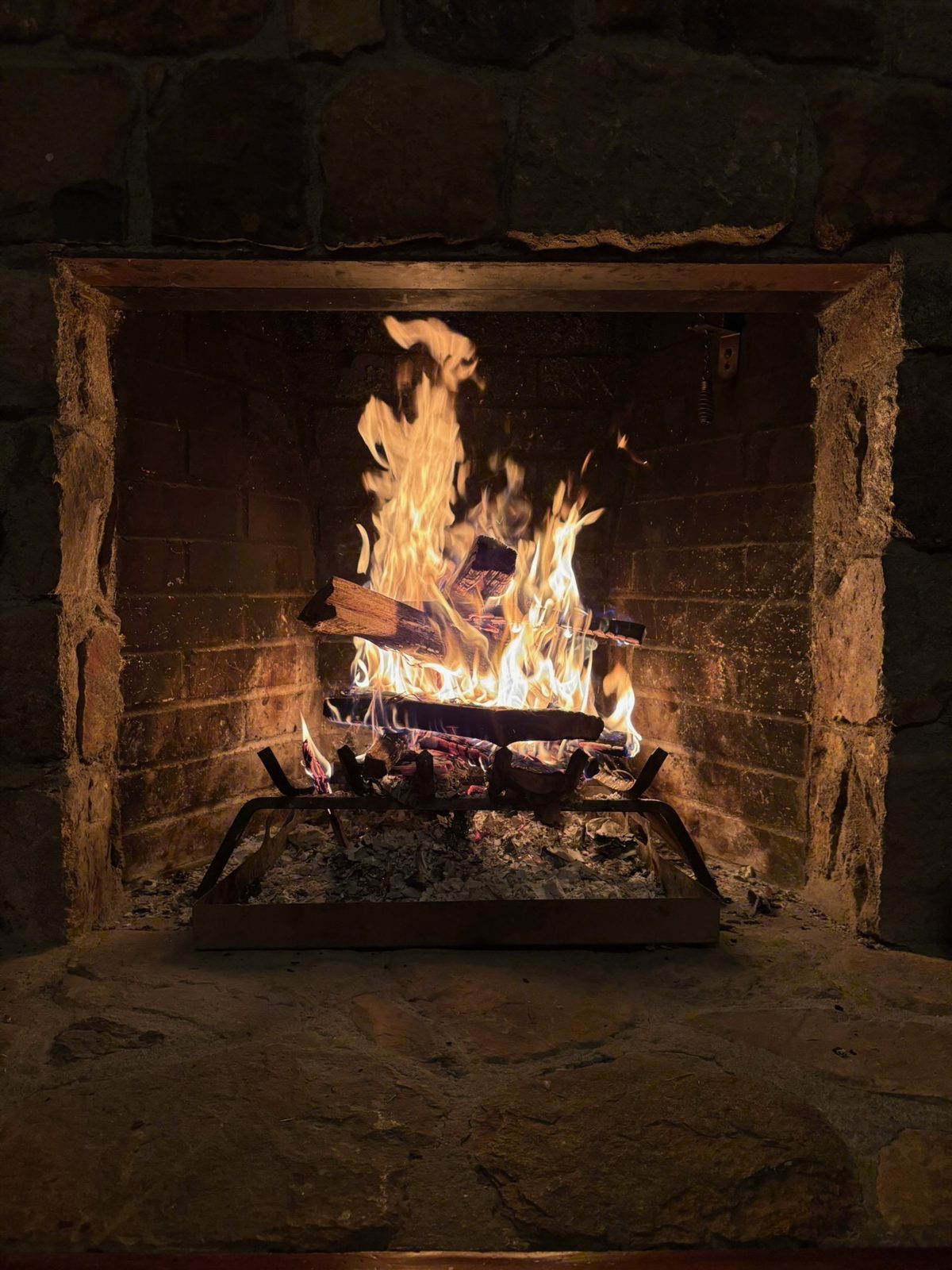
I have taken this phone call hundreds of times. Someone bought a cord from a truck on the side of the road, or dragged in logs from the pile behind the shed, and the fire will not catch. It hisses, it smokes, it makes a sad orange glow and dies. They want to know if their fireplace is broken.
It almost never is. Nine times out of ten the wood is wet. The other time it is airflow. Here are the six causes in the order I would check them.
Short answer
Firewood that will not light is almost always too wet inside, even if the outside looks dry. Split a piece: if the fresh face feels cool and damp, that is the whole problem. Burn something you know is dry tonight, and fix the wood supply, not the fireplace.
1. The wood is wet inside
Freshly cut wood is roughly half water by weight. Fire has to boil all of that off before the wood can burn, and a match does not have the energy to do it. The log steams, hisses, and sits there. "Seasoned" wood that spent one summer under a tarp is often still well over 30 percent moisture inside, which is too wet to light easily and too wet to burn clean.
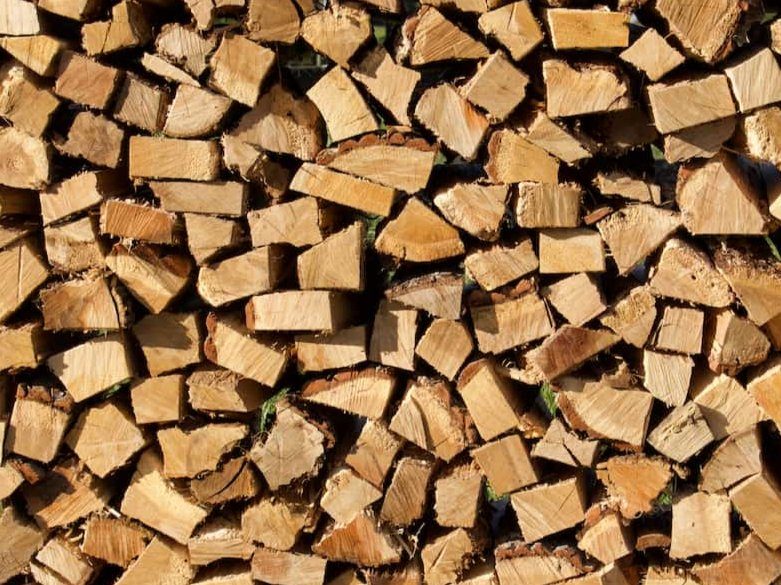
How to tell: pick up a split and look at the end grain. Dry wood has cracks radiating from the center and gray, dull ends. Wet wood is bright, smooth, and heavy. Knock two pieces together: dry wood cracks, wet wood thuds. If you own a moisture meter, split a piece and read the fresh inner face. Under 20 percent will burn. Kiln-dried wood reads far below that, which is why it lights on the first match.
The fix tonight: burn something you know is dry. A bundle of kiln-dried kindling and a few dry splits will prove the fireplace works. The fix for the season: stop guessing at "seasoned" and buy wood that was dried in a kiln and tested. I wrote the full comparison in kiln-dried vs seasoned.
2. The logs are too big for the kindling
A fire grows in stages. Paper lights kindling, kindling lights small splits, small splits light big ones. If you go from newspaper straight to a six inch round, the paper burns out long before the round gets hot enough to catch. Even dry wood will fail this way.
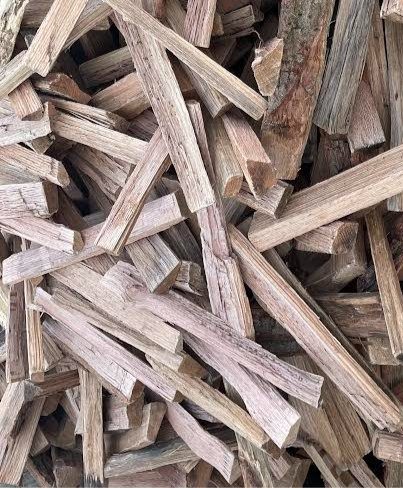
The fix: build a ladder. Crumpled paper, then a handful of pencil-thin sticks, then a few wrist-thick splits, then your normal logs on top or added after ten minutes. Our how to build a fire guide walks through the top-down method that lights itself without tending.
3. There is no air getting in
Fire needs oxygen from below and a path for smoke out the top. A tight pile of logs laid flat on the hearth has neither. The fire smothers itself.
The fix: open the damper all the way before you light anything. Use a grate so air can get under the wood. Leave finger-width gaps between splits. Crack a nearby window an inch if your house is tight and the fire is pulling smoke back into the room.
4. The chimney is cold
On a cold day the column of air in the chimney is heavy and wants to fall into your living room. Light a fire under it and the smoke comes out at you instead of going up. People read this as "the wood is bad" when it is really a cold flue.
The fix: before lighting the fire, roll a sheet of newspaper, light one end, and hold it up inside the fireplace near the damper for twenty seconds. That warms the flue and starts the draft. Then light your fire.
5. The wood is softwood or bark-heavy
Pine and other softwoods light easily but burn fast and dirty; they are kindling, not fuel. Rounds that are mostly bark, or wood that has gone punky and soft from sitting on the ground, burn poorly no matter how dry. If your "hardwood" delivery was a lot of bark, mush, and odd pieces, it will not burn like oak.
The fix: burn dense hardwood, split, with the bark on one side only. Oak, hickory, maple, cherry, ash, and locust all burn hot and long. Our best firewood to burn guide ranks them.
6. The fireplace itself
This is the rare one. A blocked flue (bird nest, collapsed liner, a damper rusted half shut) will make any wood smoke into the room. If dry kindling smokes at you with the damper open and the flue warmed, stop and have the chimney inspected before you burn again.
How to never have this problem again
- Buy dry wood, not "seasoned" wood. Ask how it was dried and what it reads on a meter. Kiln-dried wood is tested and consistent.
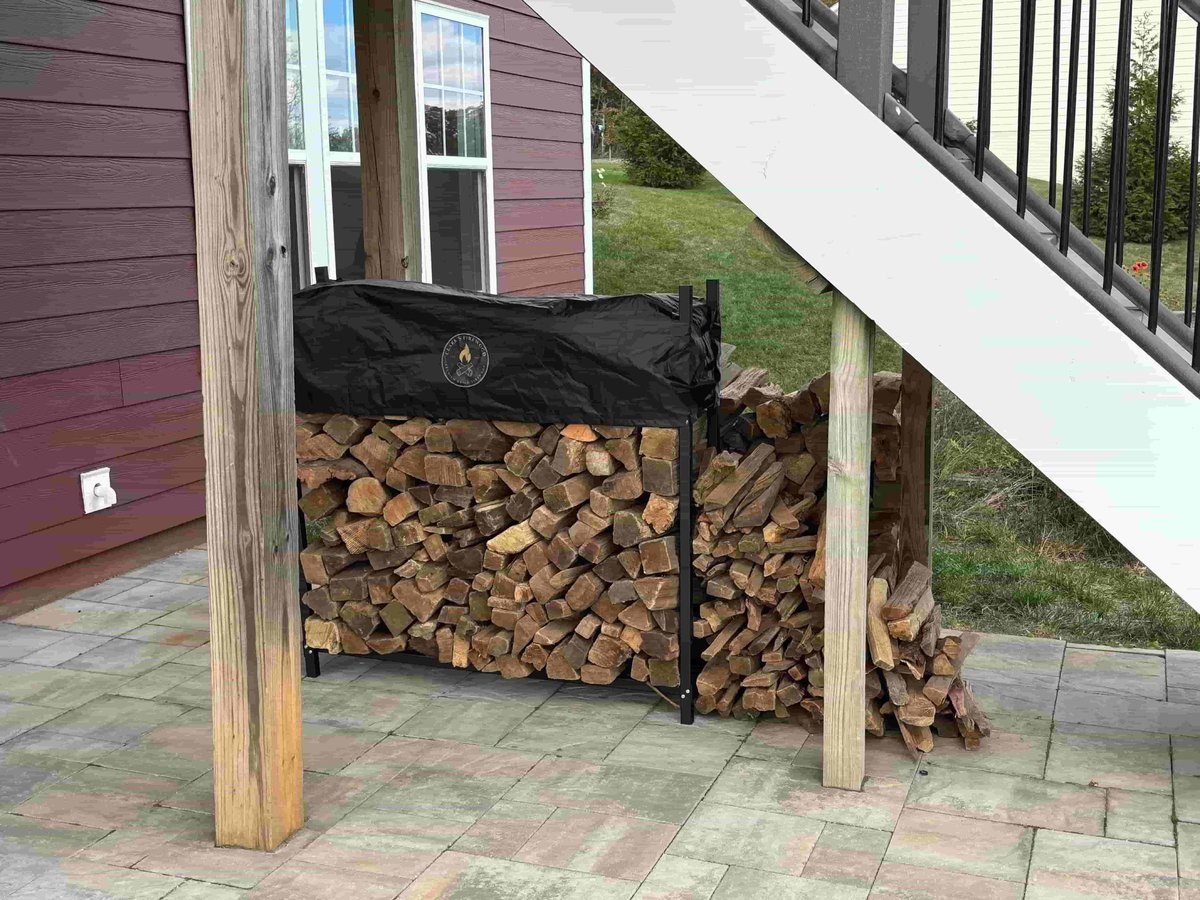
- Store it right. Off the ground, covered on top, open on the sides. The full method is in how to store firewood.
- Keep real kindling. A bin of dry kindling turns every fire into a two-minute job.
- Open the damper first. Every time.
If you are done fighting wet wood, our kiln-dried Mixed Hardwoods light on the first match, and we deliver it to your door across Virginia, Washington DC, Maryland, and North Carolina. Every order is hand-selected and personally guaranteed by me.
Frequently asked questions
Why does my firewood hiss and bubble instead of burning?
That is water boiling out of the ends of the log. The wood is too wet to burn well. Split a piece and feel the inside: if it is cool and damp, the whole batch needs months more drying or needs to be replaced with dry wood.
Why does my fire start and then go out?
Usually one of two things: the kindling was dry but the logs were not, so the fire died when it reached them, or the fire is being smothered by too much wood with no air gaps. Build smaller, leave space between splits, and make sure the damper is fully open.
Can I dry wet firewood quickly?
Not really. A few pieces by the stove for a day or two will lose surface moisture, but the inside of a split takes months to dry. The honest fix for a wet batch is to stack it properly and wait until next season, and burn dry wood now.
How can I tell if my firewood is dry before I buy it?
Ask for the moisture reading and how it was dried. Kiln-dried wood is tested in the kiln. For seasoned wood, split a piece and check the fresh face with a moisture meter: under 20 percent is burnable, lower is better. Dry wood is also lighter, grayer on the ends, and cracks when two pieces are knocked together.
Is it the wood or my fireplace?
Try a small test fire with wood you know is dry, like a bundle of kiln-dried kindling. If that burns clean and hot, the fireplace is fine and the wood was the problem. If even dry kindling smokes into the room, the flue is closed, cold, or blocked, and the chimney needs a look.
Clark started splitting and selling firewood on his family farm in Upperville, Virginia at age 11. Today Clark's Firewood delivers premium kiln-dried hardwood to homes across Virginia, Washington DC, Maryland, and North Carolina, and Clark personally guarantees every order.