Why firewood moisture matters
Moisture content is the single biggest factor in how firewood burns. Here is what it means, the number to aim for, and why low moisture gives you cleaner, hotter, safer fires.

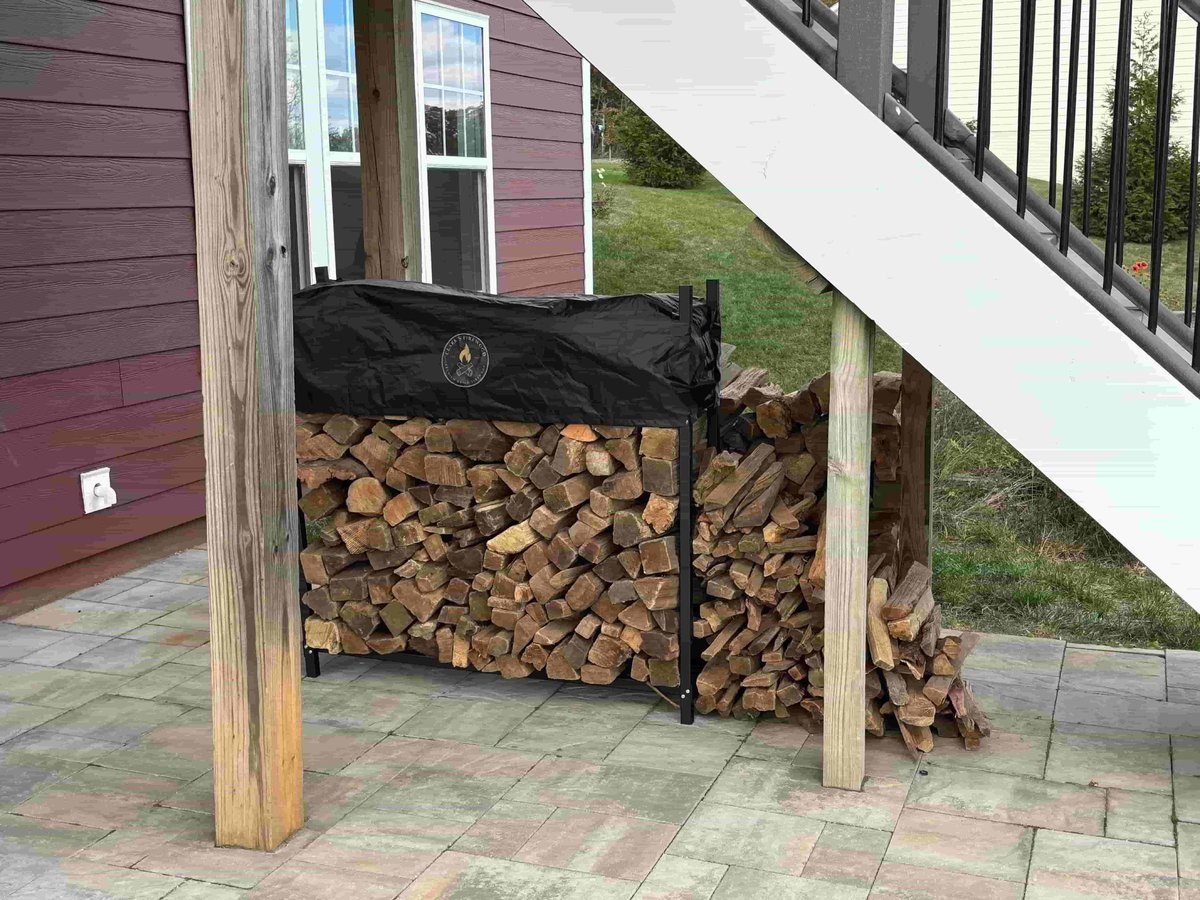
If you only learn one thing about firewood, learn this: moisture content decides everything. Wet wood smokes, hisses, throws off little heat, and coats your chimney in creosote. Dry wood lights fast, burns hot, and stays clean. Good firewood sits under 20% moisture, and ours runs low, on average under 12%. That difference is the gap between a fire you fight all night and one that just works.
Short answer
Firewood moisture content is the percentage of water still trapped in the wood. Freshly cut logs can sit above 50%. Good firewood is dried below 20%, and our kiln-dried wood runs lower, on average under 12%. Lower moisture means more heat, less smoke, and far less creosote buildup in your chimney.
What firewood moisture content actually means
Firewood moisture content is simply how much water is left inside the wood, measured as a percentage of the wood's weight. A living tree is loaded with water. Right after a log is cut and split, it can be more than half water by weight. That water has to go somewhere before the wood will burn well, because a fire spends its first energy boiling off moisture instead of heating your home.
Here is the part most people miss: when you burn high-moisture wood, you are paying to evaporate water. Much of the heat the fire generates goes toward driving moisture out of the logs before the wood fiber can really catch. That is wasted energy, and you feel it as a weak, smoky, frustrating fire.
The target number for good firewood
The industry line for "dry enough to burn" is 20% moisture content or less. Cross below that and wood lights more easily, burns hotter, and produces far less smoke. Stay above it and you are burning wet wood, no matter what the seller called it.
I push our wood well past that minimum. Kiln drying lets us pull moisture down low and keep it consistent across every split, so what you get is reliable, not a guess. Here is how the ranges compare.
| Wood condition | Typical moisture | How it burns |
|---|---|---|
| Freshly cut (green) | Above 50% | Will barely light, heavy smoke, mostly steam and hiss |
| Partly seasoned | 25% to 35% | Hard to start, weak heat, builds creosote |
| Properly seasoned | Around 20% | Burns acceptably, results vary log to log |
| Our kiln-dried wood | Low, on average under 12% | Lights fast, burns hot and clean, consistent split to split |
If you want a deeper breakdown of how drying methods stack up, I wrote a full comparison in our kiln-dried vs seasoned firewood guide.
What high moisture costs you
Wet wood is not just slow to light. It changes the whole character of the fire and creates real problems down the line. When moisture is too high you get:
- Heavy smoke. The water boiling off becomes steam and smoke instead of clean flame. Your fire looks lazy and your room can smell of it.
- Hissing and sputtering. That hiss is literally water being forced out of the log ends. A dry log is quiet.
- Low heat output. Energy spent evaporating water is energy not warming your house. Wet wood can lose a large share of its potential heat.
- Creosote buildup. This is the big one. Unburned smoke from wet wood condenses inside your chimney as creosote, a tarry, flammable layer. Over a season it builds up, and a thick creosote layer is what fuels chimney fires.
- Hard starts and constant tending. You end up rebuilding the fire, adding more kindling, and babysitting it all evening.
None of this is about the species of wood or how you stack it. It is about water. Get the water out and most of these problems disappear.
How kiln drying lowers moisture quickly and evenly
Air-seasoning works, but it is slow and uneven. A wood pile left outside dries from the outside in, depends on weather, and can take many months to reach burnable moisture. Even then, some logs in the stack come out drier than others, and the middle of a thick split can stay damp.
Kiln drying solves both problems. Controlled heat and steady airflow pull moisture out of the wood fast, and pull it from the inside as well as the surface. That does three things that matter to you:
- Speed. The wood reaches low moisture in a fraction of the time air-seasoning takes.
- Consistency. Every split in the load lands in the same low range, so you are not gambling log to log. We cut to a consistent 16-inch length too, so it fits standard fireplaces and stoves.
- Cleanliness. The heat also kills bugs, mold, and fungus living in the wood, which is why kiln-dried wood is safe to store indoors near your hearth.
How to tell if your firewood is dry
You do not need a lab to judge firewood. After handling enough of it, you learn the signs. Here are the four checks I trust, from quickest to most precise.
Weight
Water is heavy. Pick up two similar-sized splits, one you know is dry and one you are testing. Dry wood feels noticeably lighter because the water is gone. If a log feels dense and heavy for its size, it is probably still holding moisture.
The hollow knock
Knock two splits together. Dry wood gives a sharp, hollow, almost musical crack. Wet wood gives a dull, heavy thud. This is my fastest field test, and it is surprisingly reliable once your ear knows the difference.
End cracks and color
As wood dries it shrinks, and the ends develop visible cracks radiating out from the center like spokes. The bark loosens and the ends fade from fresh-cut color to a grayer, duller tone. Bright, smooth, tight ends usually mean the wood is still green.
A moisture meter
If you want a number, a pin-style moisture meter costs very little and removes all doubt. Split a log fresh, press the pins into the newly exposed inner face (not the dry outer surface), and read the percentage. Anything under 20% is good firewood. Test our wood this way and you will see it come in low.
| Test | What dry wood does | What wet wood does |
|---|---|---|
| Weight | Feels light for its size | Feels heavy and dense |
| Knock together | Sharp, hollow crack | Dull thud |
| Ends | Cracks, loose bark, grayed color | Smooth, tight, fresh color |
| Moisture meter | Under 20% | Above 20% |
Why low moisture is safer and cleaner
The performance reasons are easy to feel: more heat, faster lighting, less fuss. The safety reasons matter just as much. Low-moisture wood burns more completely, so it produces far less of the smoke that turns into creosote, and less creosote in your flue means a lower risk of a chimney fire. It also means less particulate smoke drifting into your home and your yard.
There is a storage benefit too. Because kiln drying drives off the moisture that mold, fungus, and insects need to live, properly dried wood is clean to keep indoors. You can stack a few days' worth by the fireplace without bringing pests or mildew inside. That is the whole point of premium firewood: it should work the moment you light it and never become a problem you have to manage.
Get firewood you never have to second-guess
Low moisture is the difference between firewood that fights you and firewood that just lights. I built Clark's Firewood around getting that right every single time, with hand-selected kiln-dried hardwood that runs low, on average under 12%, and stays consistent split to split. When you want wood you can light on the first match, browse our kiln-dried firewood and place an order. Questions first? Call or text me at (571) 348-6009, or email sales@clarksfirewood.com.
Frequently asked questions
What is the ideal moisture content for firewood?
Good firewood should be at or below 20% moisture content. Below that, wood lights faster, burns hotter, and produces far less smoke and creosote. Our kiln-dried wood runs lower than the minimum, on average under 12%, and stays consistent from split to split.
Why does wet firewood smoke and hiss so much?
That smoke and hissing is water leaving the wood. A fire has to boil off the moisture trapped inside before the wood fiber can fully burn, so high-moisture logs spend their energy making steam and smoke instead of heat. Dry wood skips that step and burns clean and quiet.
How can I tell if firewood is dry without a meter?
Use three quick checks. Dry wood feels light for its size, gives a sharp hollow crack when you knock two splits together, and shows cracks at the ends with loose, grayed bark. Wet wood feels heavy, sounds like a dull thud, and has smooth, tight, fresh-colored ends.
Is kiln-dried firewood really better than seasoned wood?
Kiln drying pulls moisture out faster and more evenly than air-seasoning, so every split lands in the same low range instead of varying log to log. The heat also kills bugs and mold, which makes the wood clean to store indoors. We cover the full comparison in our kiln-dried vs seasoned firewood guide.
Does high-moisture firewood really cause chimney fires?
Wet wood burns incompletely and sends more unburned smoke up the flue, where it condenses into creosote, a tarry, flammable layer. Over a season that buildup is what fuels chimney fires. Burning low-moisture wood is one of the simplest ways to reduce that buildup, alongside regular chimney inspection and cleaning.
Can I store kiln-dried firewood indoors?
Yes. Because kiln drying removes the moisture that mold, fungus, and insects need to survive, properly dried wood is clean to keep indoors. You can stack a few days' worth near your fireplace without bringing pests or mildew inside.
How much moisture does freshly cut firewood have?
Freshly cut, or green, wood can be more than 50% water by weight. That is why it barely lights and smokes heavily. It needs to dry well below 20% before it burns properly, which air-seasoning can take many months to achieve and kiln drying does much faster.
Clark started splitting and selling firewood on his family farm in Upperville, Virginia at age 11. Today Clark's Firewood delivers premium kiln-dried hardwood to homes across Virginia, Washington DC, Maryland, and North Carolina, and Clark personally guarantees every order.