How to store firewood so it stays dry
Good wood is only as good as the way you store it. Here is the simple, founder-tested way to keep your firewood dry, clean, and ready to burn all winter.

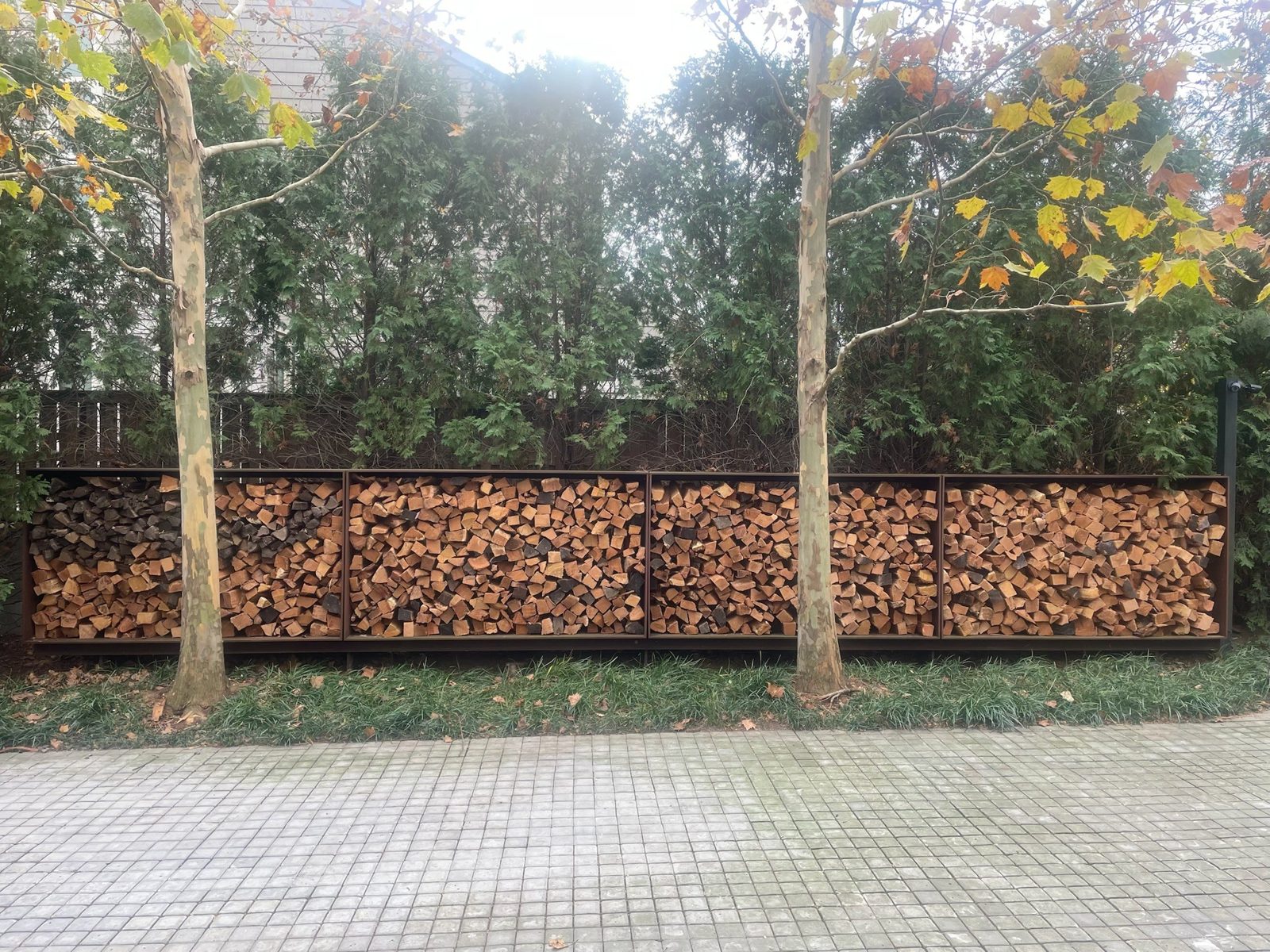
If you want firewood to stay dry, store it off the ground, cover only the top, and leave the sides wide open for airflow. Pick a sunny, breezy spot, and bring a few days' worth indoors before you burn it. That is the entire job, and getting it right protects every dollar you spent on quality wood.
I have been delivering firewood since I was a kid splitting logs on our farm in Upperville, and the single biggest thing that ruins good wood after it leaves my hands is bad storage. Wood that shows up clean, low-moisture, and ready to burn can turn into a moldy, hard-to-light mess if it sits on bare dirt under a sealed tarp. The good news: storing it correctly takes almost no effort once you know the rules.
Short answer
Stack firewood up off the ground on a rack or pallets, cover only the top so rain and snow run off, and leave all four sides open so air can move through the pile. Put the stack somewhere sunny and breezy, a short walk from the door but not pressed against your siding. Keep just a few days of wood inside near the fireplace.
Why dry storage matters
Firewood burns well when its moisture is low. Kiln-dried wood like ours starts out dry, on average under 12 percent moisture, which is why it lights fast and burns clean. But wood is like a sponge. Leave it touching wet ground or trap humidity against it with a tarp, and it pulls moisture right back in. Wet wood hisses, smokes, builds creosote in your chimney, and is a pain to light.
Storage is not about re-drying wood. It is about keeping dry wood dry. If you want the full picture on why moisture is the number one thing that separates good firewood from bad, read our guide on firewood moisture explained. For everything else, the steps below are all you need.
How to store firewood step by step
1. Pick the right spot
Choose a place that gets sun and a steady breeze. Sun warms the surface of the wood and burns off dew; wind carries moisture away. A south-facing wall, a back corner of the yard, or an open side of a shed all work well. Keep the stack a short, convenient walk from the door you will actually use in January. The best storage spot is the one you will not dread visiting in the cold.
2. Get the wood off the ground
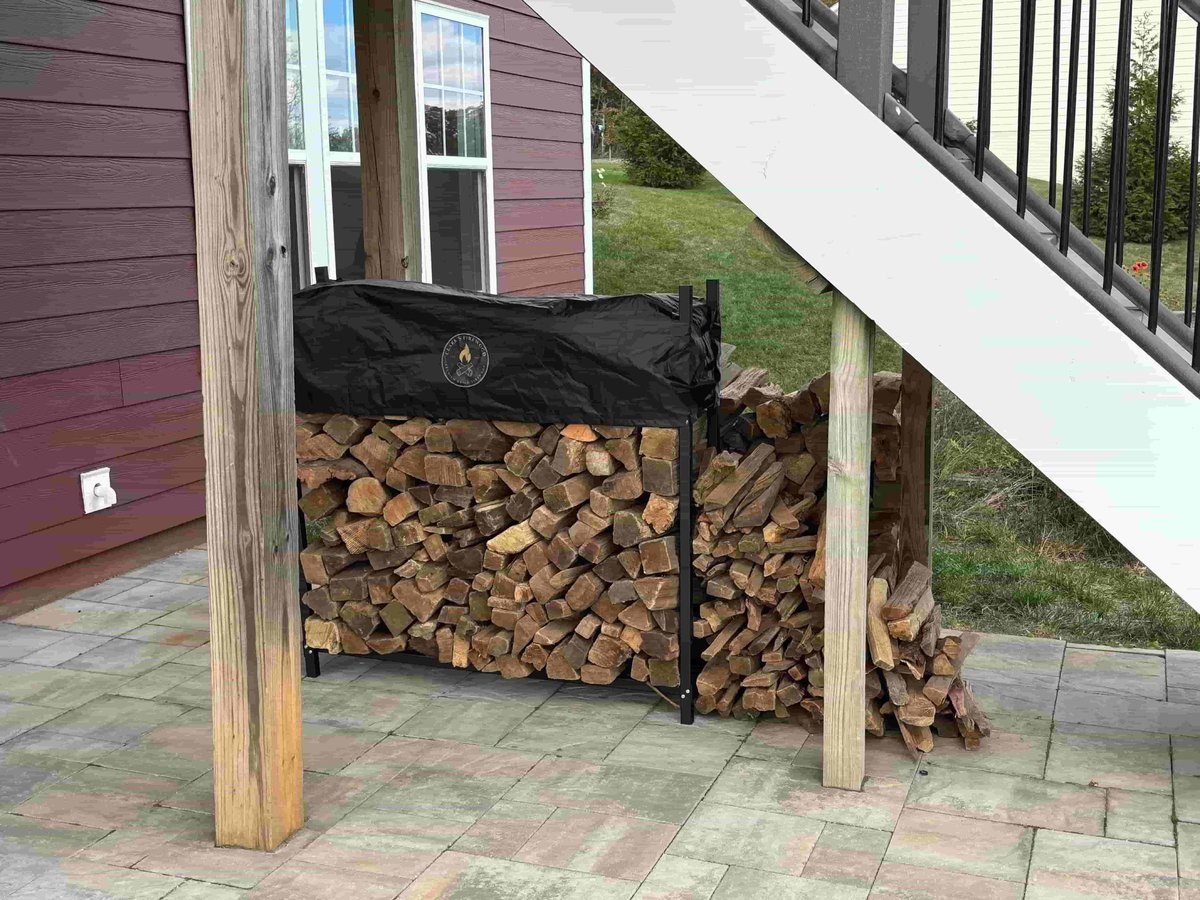
Never stack firewood directly on dirt, grass, or a patio slab. The ground is a constant moisture source, and bottom logs will rot and grow mold within weeks. Raise the wood at least a few inches using a steel firewood rack, a couple of pallets, treated 2x4s, or even a row of concrete blocks with boards across them. A purpose-built rack is the cleanest option because it holds the stack square and keeps air moving underneath.
3. Stack for airflow
Stack the wood in a single neat row rather than a deep, packed pile. Air needs to move through the gaps between logs. Leave a little space between rows if you have more than one, and keep the stack off your house so air can reach the back. A loose, well-organized stack dries and stays dry far better than a tight mound.
4. Cover the top only
This is the step most people get wrong. Cover the top of the stack to shed rain and snow, but leave all four sides completely open. A piece of metal roofing, a board, or a tarp that drapes only over the top works perfectly. The sides must breathe. If you wrap the whole pile, you trap humidity inside and basically build a greenhouse for mold.
5. Burn from the right side
Pull wood from the end that has been sitting longest, and refill from the other end. With kiln-dried wood this matters less since it is already dry, but a consistent rotation keeps the stack tidy and makes sure nothing sits forgotten in a damp corner.
6. Keep a few days inside
Bring in a small amount at a time, enough for a few days of fires, and store it near the fireplace or stove. Indoor wood is room temperature and bone dry, so it lights even faster. Because our wood is kiln-dried, the heat process kills bugs and prevents mold, so a few days inside will not bring pests into your home. Just do not stockpile a huge indoor pile; rotate it.
Outdoor vs indoor storage at a glance
Most customers use a mix: the main supply lives outside on a rack, and a small working stack lives indoors. Here is how the two compare.
| Factor | Outdoor storage | Indoor storage |
|---|---|---|
| Best for | Your main supply | A few days of ready-to-burn wood |
| Off the ground | Required (rack or pallets) | Already off the ground inside |
| Cover | Top only, sides open | No cover needed |
| Airflow | Critical | Less critical, wood is already dry |
| Bugs and mold | Keep off ground to avoid | Minimal risk with kiln-dried wood |
| How much to keep | Your full order | 3 to 5 days of fires |
Common firewood storage mistakes to avoid
- Wrapping the whole pile in a tarp. Sealing the sides traps condensation and grows mold. Cover the top, leave the sides open.
- Stacking on bare ground. Direct contact with soil or grass wicks moisture up and invites rot and insects. Always get the wood up on a rack or pallets.
- Stacking tight against the house siding. It blocks airflow on one side, traps moisture against your wall, and gives pests an easy bridge into the structure. Leave a gap.
- Building a deep, packed mound. Air cannot reach the center, so the inside stays damp. Use neat single rows.
- Putting the stack in a shady, low spot. No sun and no wind means slow drying and trapped moisture. Choose a bright, breezy location.
- Stockpiling a huge pile indoors. Bring in only what you will burn over a few days and rotate it.
How much firewood do you need to store?
Sizing your storage to your order keeps everything tidy and dry. We sell by stack, so it helps to think in stacks and fires. A 2 ft by 4 ft stack of our 16-inch splits lights roughly 20 fires, and you scale up from there. A full rack is 4 ft by 8 ft of 16-inch logs, which equals one third of a cord. A full cord is 4 ft by 4 ft by 8 ft, or 128 cubic feet.
- Occasional weekend fires: a small stack or a rack bundle is plenty.
- Regular winter burning: a full rack or more, stored outside on a rack with a working supply indoors.
- Heavy use or a wood stove as primary heat: plan for multiple racks and dedicate a sunny, elevated spot for the season.
Using a firewood rack
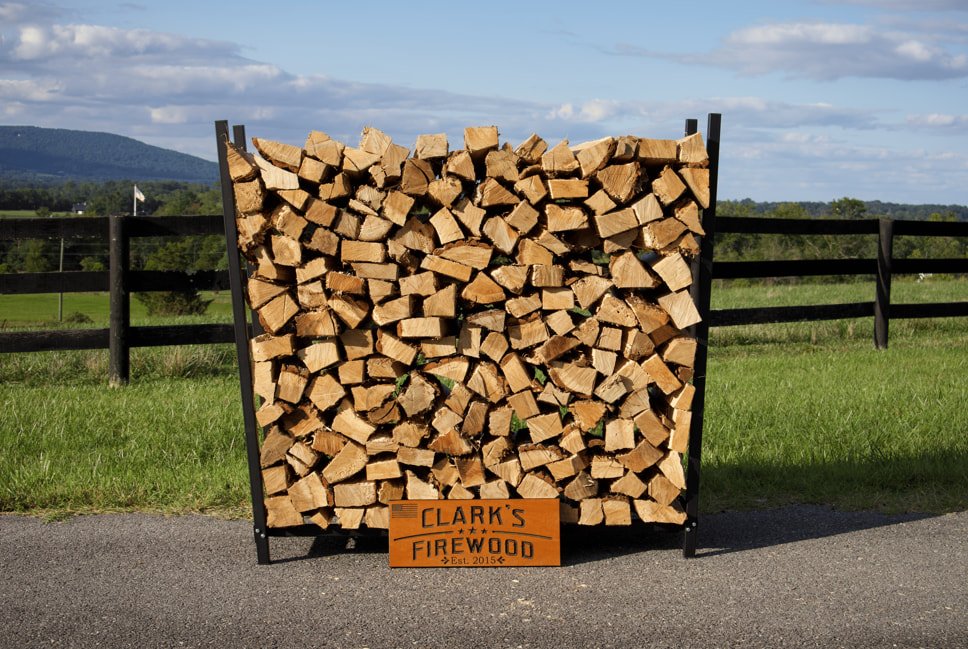
A good rack does three jobs at once: it lifts the wood off the ground, holds the stack square so air flows through it, and keeps everything organized so you are not hunting for a dry log in the dark. That is exactly why we offer an 8 ft steel firewood rack and rack bundles. The steel rack is built to hold a full 4 ft by 8 ft stack, which is one third of a cord, and it does not rot or sag the way a homemade wooden frame eventually will.
Set the rack on a level spot, drape a board or cover over just the top, and you have solved the entire dry-storage problem in one move. You can see the rack and our wood on the shop page.
Keeping winter access easy
The best storage setup is the one you will actually use when it is 20 degrees and snowing. A few things make winter easy:
- Put the main stack on a path you keep clear, not behind a gate you have to dig out.
- Keep a small indoor or covered-porch supply so you are never trudging out in a storm for a single log.
- Make sure the top cover is weighted or secured so wind and snow do not pull it off in January.
- Stack at a comfortable height so you are not bending to ground level every time you grab wood.
Order wood that is worth storing right
Storage only pays off when the wood is good to begin with. Our kiln-dried hardwoods and 100 percent oak arrive clean, low-moisture, and ready to burn, and I personally stand behind every order. Store it the way I laid out above and it will light easy and burn clean all season. Ready to stock up? Browse our wood and racks on the shop page and I will get it delivered to your door.
Frequently asked questions
Should I cover firewood with a tarp?
Cover only the top of the stack so rain and snow run off, and leave all four sides open. Wrapping the entire pile in a tarp traps humidity against the wood and causes mold. A board, metal roofing, or a tarp draped over just the top works best.
How far off the ground should firewood be stored?
At least a few inches. Use a steel rack, pallets, treated lumber, or concrete blocks with boards across them. Stacking directly on dirt or grass wicks ground moisture into the bottom logs and leads to rot and bugs.
Can I store kiln-dried firewood indoors?
Yes. Because the wood is kiln-dried, the heat process kills bugs and prevents mold, so it is safe to keep inside. Bring in a few days' worth at a time and store it near the fireplace, then rotate it rather than stockpiling a large indoor pile.
How far from my house should I keep firewood?
Keep the stack off your siding with an open gap so air can reach the back and pests do not have a bridge into the structure. Many people keep the main supply a short walk from the door rather than pressed against the wall, with a small working stack closer in for convenience.
Does firewood need to be in the sun?
A sunny, breezy spot is ideal. Sun burns off surface dew and wind carries moisture away, so both help keep the wood dry. A shady, low, still corner traps moisture and slows everything down.
Will properly stored kiln-dried wood get wet again?
It can if you store it on bare ground or seal it under a full tarp, because dry wood reabsorbs moisture. Keep it elevated, cover only the top, and leave the sides open and it will stay dry and ready to burn all season.
How much firewood should I keep inside at once?
Roughly three to five days of fires. That keeps a dry, room-temperature supply within reach for fast lighting without creating a large indoor pile to manage.
Clark started splitting and selling firewood on his family farm in Upperville, Virginia at age 11. Today Clark's Firewood delivers premium kiln-dried hardwood to homes across Virginia, Washington DC, Maryland, and North Carolina, and Clark personally guarantees every order.