Kiln-dried vs seasoned firewood: the real difference
A straight comparison of kiln-dried vs seasoned firewood from someone who sells the stuff. What each term really means, why moisture decides everything, and how to pick the right wood for your fireplace or stove.

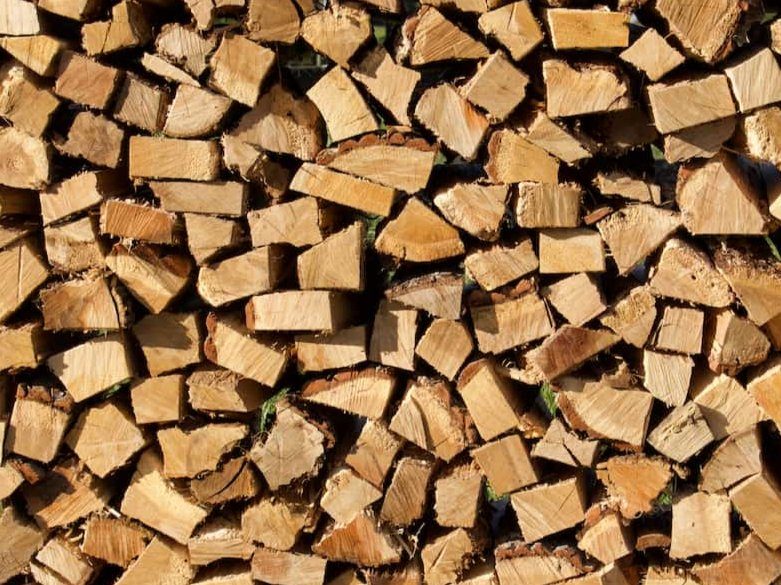
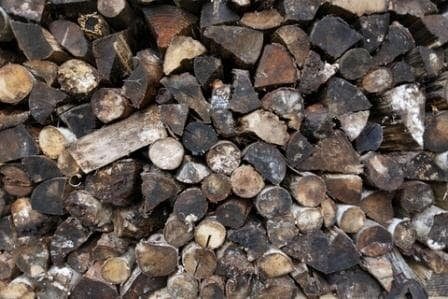
The real difference between kiln-dried and seasoned firewood comes down to one thing: how dry the wood actually is, and how reliably it gets there. Kiln-dried firewood is brought to low moisture in a controlled kiln over a matter of days, so every batch performs the same. Seasoned firewood is air-dried outdoors over a year or more, and the results swing a lot depending on the weather, how it was stacked, and how honest the seller is about its age.
I've been selling firewood since I was 11, and I sold both kinds for years before I committed to kiln-dried only. This is the fair version of the comparison, not a hit piece on seasoned wood. Good seasoned wood is real, and I'll tell you exactly when it's a fine choice. But for most homes, kiln-dried wins, and below I'll show you why.
Short answer
Both methods do the same job: remove water so wood burns clean. Seasoning does it slowly with air and time, and the results are inconsistent. A kiln does it fast and to a lower, more reliable moisture level, so the wood lights easier, burns hotter and cleaner, produces less creosote, and is safe to store indoors. Properly dried seasoned wood can burn just as well, but the catch is the word "properly." With kiln-dried, the dryness is consistent every time.
What "kiln-dried" and "seasoned" actually mean
These two words get thrown around loosely, and a lot of confusion (and a lot of bad fires) comes from that. Here is what each one really means.
Seasoned firewood
Seasoning is air-drying. You split green wood, stack it off the ground with good airflow, cover the top, and let sun and wind pull the moisture out over time. Freshly cut wood can be roughly half water by weight. Seasoning slowly brings that down. Done right, over a full year or more, hardwood can reach a genuinely good burning range. The problem is that phrase "done right." Seasoning depends on how long the wood actually sat, how it was stacked, and the climate it sat in. "Seasoned" in a classified ad can mean two years in a tidy stack or three months under a tarp in a wet yard.
Kiln-dried firewood
Kiln-drying takes already-split wood and dries it in a large heated kiln. Instead of waiting on the weather, the kiln drives moisture out with steady heat over a span of days. The result is wood at consistently low moisture, on average under 12 percent, batch after batch. The heat also does something seasoning can't promise: it kills bugs, larvae, and mold spores living in the wood. That's a big part of why kiln-dried is safe to keep inside.
How drying works: days versus a year
This is the cleanest way to picture the difference. Both processes are trying to evaporate water out of wood. They just go about it very differently.
- Seasoning: Slow, passive, weather-dependent. Realistically 6 to 12 months for softer species and a year or more for dense hardwoods like oak. If the weather doesn't cooperate or the stack is poorly built, it takes even longer, or never fully gets there.
- Kiln-drying: Fast, controlled, repeatable. A kiln dries a batch over a span of days to a target moisture level, then it's done and ready to burn. No guessing whether this winter's wood was actually cut last spring or two springs ago.
The takeaway: seasoning can produce great wood, but only with time and discipline. A kiln removes the variables. That control is the entire reason I switched my business to kiln-dried only.
Moisture is the whole story
If you remember one thing, remember this: almost everything you care about in firewood traces back to its moisture content. Lighting, heat, smoke, creosote, smell, indoor safety. All of it is downstream of how much water is left in the wood.
Wet wood doesn't burn well because your fire has to boil off the water before it can produce real heat. That stolen energy is heat you paid for and never felt in the room. It's also where the smoke, the hissing, and the chimney gunk come from. Dry wood skips that fight and gets straight to a hot, clean burn.
Experts generally agree that firewood should be under 20 percent moisture to burn well. Seasoned wood, when it's truly ready, lands in that range. Kiln-dried sits comfortably below it. That gap is small on paper and huge in your fireplace. If you want the deeper dive on the numbers and how to read a moisture meter, I wrote a full breakdown in our guide to firewood moisture.
Kiln-dried vs seasoned firewood: side by side
| Factor | Kiln-Dried | Seasoned (done right) |
|---|---|---|
| Drying time | Days in a controlled kiln | A year or more of air-drying |
| Moisture level | Low, on average under 12% | Around 20%, varies widely |
| Consistency | Reliable batch to batch | Depends on age, stacking, weather |
| Lighting | Lights fast, little fuss | Good when dry, stubborn when not |
| Smoke | Minimal | Low when dry, heavy when damp |
| Heat output | High, full energy to the room | Good when dry, reduced when damp |
| Creosote risk | Lower | Low when dry, higher when not |
| Bugs and mold | Killed by kiln heat | Can carry pests and mold |
| Indoor storage | Safe to keep inside | Better kept outside |
Lighting, smoke, heat, and creosote
Lighting
Dry wood catches fast. With kiln-dried, a little kindling and you're going in minutes, no half-hour of coaxing a smoldering pile. Truly seasoned wood lights well too. Under-seasoned wood is where the frustration lives: it hisses, smokes, and fights you.
Smoke and smell
Smoke is mostly unburned water and resin. Drier wood means a cleaner flame and far less smoke rolling back into the room or off the fire pit into your guests' faces. Kiln-dried is the most consistent here because the moisture is consistent.
Heat output
You're buying wood to heat a room, not to evaporate water. Every percent of moisture is energy your fire spends drying the log instead of warming you. Drier wood puts more of its stored energy into the room. Species matters too: our Kiln-Dried Mixed Hardwoods blend leans on dense Virginia species like oak and hickory, and the kiln-drying makes sure you actually get that heat instead of losing it to moisture.
Creosote
Creosote is the tar-like residue that builds up in your chimney, and it's the part people underestimate. Wet, smoky fires deposit it faster. Over a season, that buildup is the fuel for a chimney fire. Drier wood burns cleaner and slows that accumulation. Kiln-dried gives you the most predictable protection here, but the real driver is dryness, however you get it.
Bugs and safe indoor storage
This one surprises people. Firewood is a habitat. Air-dried logs can carry beetles, ants, larvae, spiders, and mold spores, which is exactly why you don't want a big pile of seasoned wood sitting in your living room. Bring it in to thaw and you may be inviting guests you didn't plan on.
Kiln heat changes that. The sustained heat in the kiln kills insects and their eggs and dries out mold. That's why kiln-dried is genuinely safe to store inside next to the fireplace or stove. For anyone with an indoor wood rack, a finished basement setup, or who just doesn't want bugs in the house, this is a real, practical advantage, not marketing.
Cost versus value
Let's be honest about price. Kiln-dried firewood usually costs more per unit than seasoned, because the kiln, the energy, and the handling all cost money. If you're comparing stickers, seasoned looks cheaper. But the right question isn't price per stack, it's value per fire.
- Wasted heat: Cheaper wet wood burns off water instead of heating your home. You're literally paying to evaporate water.
- Wasted wood: Damp wood that won't catch gets tossed, restacked, or relit. That's wood you paid for and didn't use.
- Chimney costs: Faster creosote buildup means more frequent cleanings and more risk.
- Your time: Fighting a fire on a cold night has a cost too, even if it's not on the invoice.
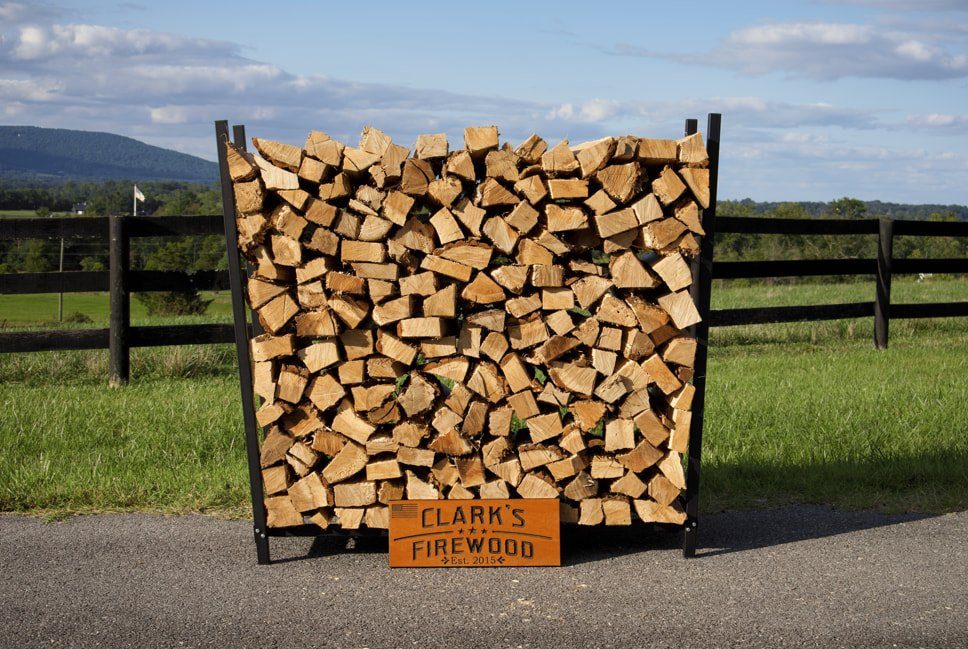
To figure out how much you actually need, I sell by the stack. A 2 ft by 4 ft stack lights roughly 20 fires, and you scale up from there. One full rack is 4 ft by 8 ft of 16-inch splits, which works out to a third of a cord. If the cord-versus-rack math is new to you, I break it all down in our guide to cords, racks, and stacks. Priced per fire that actually burns clean, kiln-dried tends to be the better deal for most households, not the splurge.
When seasoned wood is genuinely fine
I told you I'd be fair, so here it is. Seasoned firewood is a perfectly good choice when:
- You have a reliable source and can verify it was cut well over a year ago and stored properly.
- You can check the moisture yourself with a meter and confirm it's under 20 percent.
- You have dry outdoor storage and don't need to keep wood inside the house.
- You're burning outdoors in a fire pit or chiminea, where a little extra smoke and bug risk doesn't matter much.
- You're seasoning your own wood and have the patience and space to do it right.
If that's you, great seasoned wood will serve you well. The trouble is that most people buying "seasoned" firewood can't actually verify any of that, and the seller's definition of seasoned and yours may not match. That uncertainty is exactly what kiln-drying removes.
How to tell if firewood is actually dry
Whether you buy kiln-dried, buy seasoned, or split your own, here's how to judge dryness without taking anyone's word for it:
- Moisture meter: The honest answer. Split a piece, press the probes on the fresh inner face, and look for under 20 percent. These cost very little and end every argument.
- Weight: Dry wood feels noticeably lighter than green wood of the same size. Water is heavy.
- Sound: Knock two pieces together. Dry wood gives a sharp crack. Wet wood gives a dull thud.
- Cracks and color: Dry logs show splits radiating from the center and a grayed, dulled end grain. Bright, sappy, smooth ends usually mean it's still green.
- The burn test: Dry wood lights fast and burns steady. If a log hisses, bubbles at the ends, or smokes heavily, there's water in it.
That's the whole comparison. Kiln-dried wins for most homes because it removes the guesswork: consistently low moisture, easy lighting, clean hot burns, less creosote, no bugs, and wood you can safely keep inside. Seasoned wood can match it when it's truly ready, but you have to verify that yourself every single time.
If you'd rather not gamble on what "seasoned" means this week, that's the whole reason I run a kiln-dried-only operation. Take a look at what's in stock in our firewood shop and I'll get clean, ready-to-burn wood to your door. Every order is hand-selected and personally guaranteed by me.
Frequently asked questions
Is kiln-dried firewood really better than seasoned?
For most homes, yes. Kiln-dried firewood is consistently low in moisture (on average under 12 percent), so it lights faster, burns hotter and cleaner, produces less creosote, and is safe to store indoors. Truly seasoned wood can burn just as well, but its dryness varies a lot and is hard to verify. Kiln-drying removes that guesswork.
How long does each type take to dry?
A kiln dries a batch of split wood over a span of days under controlled heat. Air-seasoning is much slower: usually 6 to 12 months for softer species and a year or more for dense hardwoods like oak, and only if the wood is stacked and stored correctly.
Does kiln-dried firewood burn longer than seasoned?
Burn time depends mostly on the wood species and log size, not the drying method. What kiln-drying changes is efficiency. Because there's less water to boil off, more of the wood's energy goes into heating your room rather than evaporating moisture, so you get a hotter, cleaner burn from the same log.
Can I store firewood inside the house?
Kiln-dried firewood is safe to store indoors because the kiln heat kills insects, larvae, and mold. Air-seasoned wood is better kept outside, since it can carry beetles, ants, spiders, and mold spores that you don't want to bring into your home. Only bring seasoned wood in shortly before you burn it.
Why does moisture matter so much in firewood?
Moisture is the whole story. Wet wood forces your fire to boil off water before it can produce real heat, which wastes energy, creates smoke, and deposits creosote in your chimney faster. Firewood should generally be under 20 percent moisture to burn well, and drier is better.
How can I tell if firewood is actually dry?
The most reliable way is a moisture meter: split a log and check the fresh inner face for a reading under 20 percent. You can also judge by weight (dry wood is lighter), sound (a sharp crack when knocked together, not a dull thud), and appearance (cracks radiating from the center and grayed, dulled ends).
Is kiln-dried firewood worth the extra cost?
Compared per fire that actually burns clean, kiln-dried usually delivers better value even though it costs more per unit. Cheaper wet wood wastes heat boiling off water, more of it gets discarded when it won't catch, and it builds creosote faster, which means more frequent chimney cleanings.
Clark started splitting and selling firewood on his family farm in Upperville, Virginia at age 11. Today Clark's Firewood delivers premium kiln-dried hardwood to homes across Virginia, Washington DC, Maryland, and North Carolina, and Clark personally guarantees every order.