The best firewood to burn: oak, hickory, cherry, maple, and the rest, ranked
Every hardwood burns a little differently: some light fast and flare, some sit and glow for hours, some smell like a bakery. Here is how the species we sell and the ones we do not actually behave in a fireplace, and which to buy for what you want.

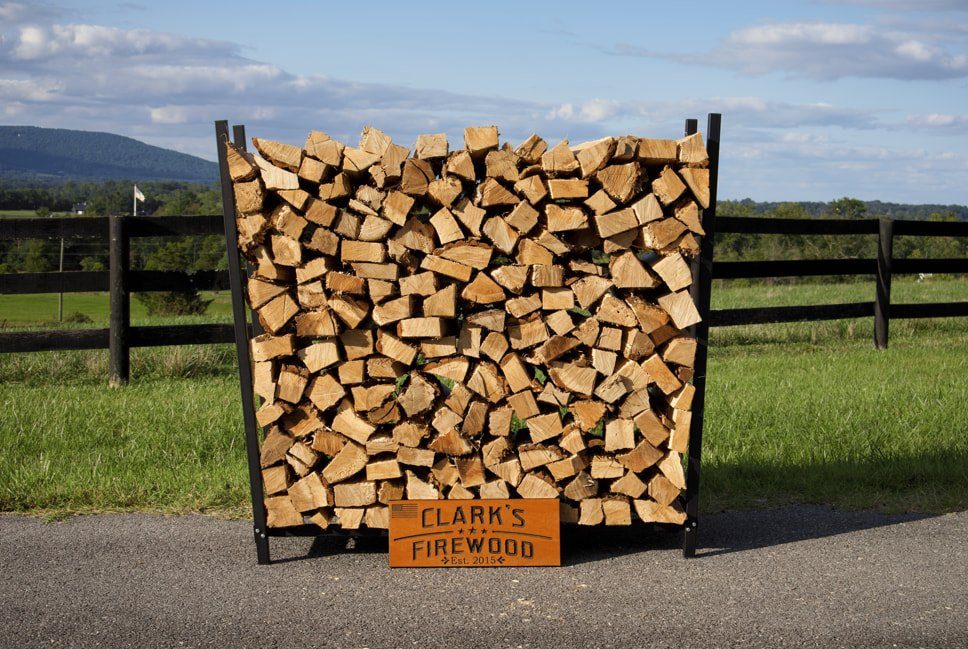
People ask me for "the best firewood" the way they would ask for the best steak. The answer depends on what you are cooking. A wood stove running all night wants something different from a Saturday fire in a living room fireplace or a fire pit on the deck. Here is the honest ranking, with one rule first.
The rule that beats the ranking
Dry beats species. Wet oak is worse firewood than dry poplar. Pick a good hardwood, but make sure it is actually dry inside. That is the whole reason we kiln-dry everything.
The ranking, for heat and burn time
| Wood | Heat | Burn time | Lighting | Best for |
|---|---|---|---|---|
| Hickory | Highest | Very long | Slow | Stoves, overnight, smoking food |
| White oak | Very high | Very long | Slow | Stoves, overnight burns |
| Red oak | Very high | Long | Slow | Stoves, long fireplace evenings |
| Black locust | Very high | Very long | Slow | Stoves; sparks a little, use a screen |
| Sugar maple | High | Long | Medium | Fireplaces, stoves |
| Ash | High | Medium | Easy | Fireplaces; the easiest hardwood to light |
| Cherry | Medium-high | Medium | Easy | Fireplaces; best smell, pretty flame |
| Poplar | Medium | Short | Easy | Shoulder season, getting a fire going |
| Pine, spruce | Low | Short | Very easy | Kindling only |
The dense ones: oak, hickory, locust
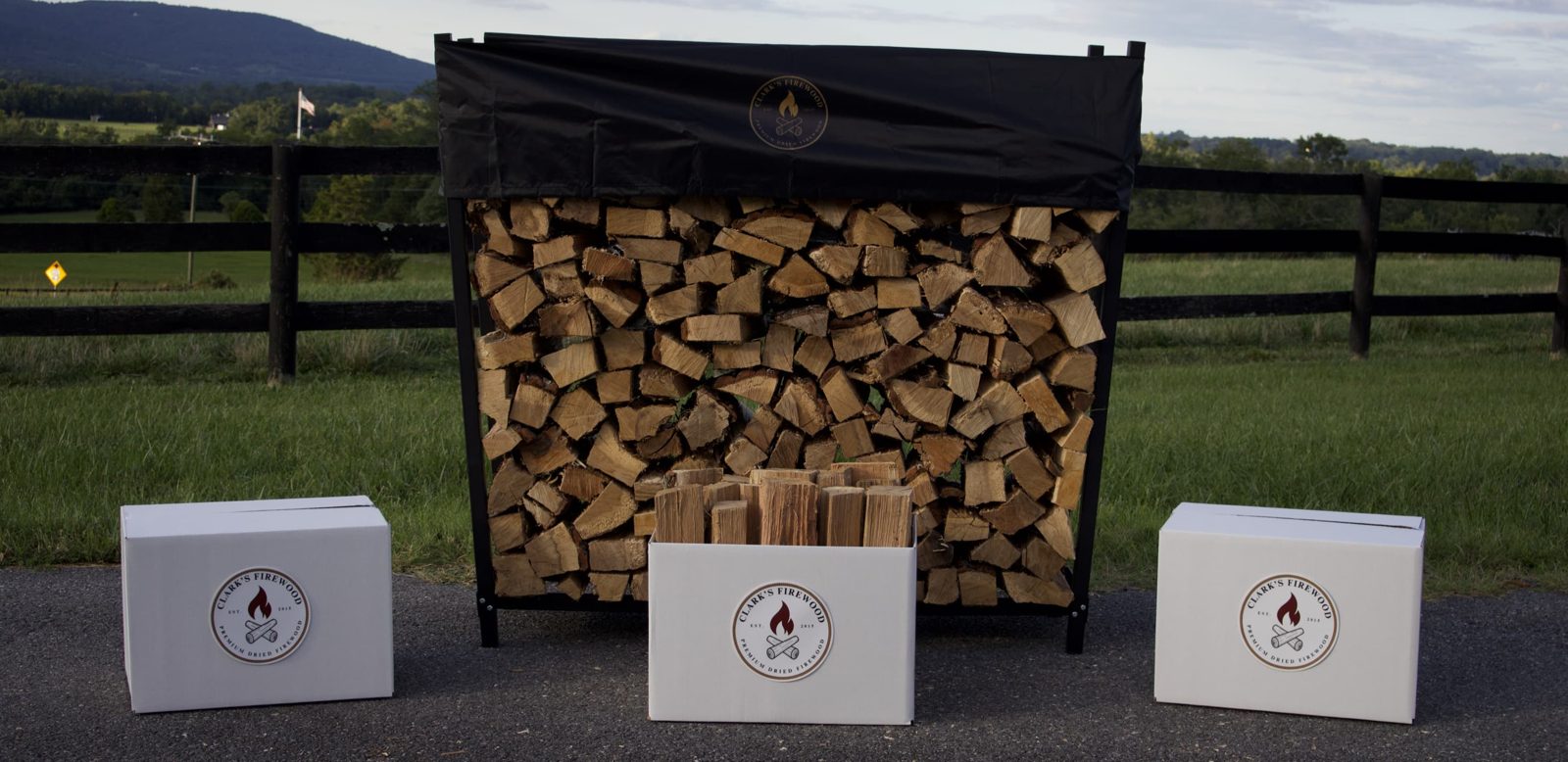
These are the heavyweights. Dense wood holds more energy per split, so it burns hotter and longer and leaves a bed of coals that keeps a stove warm until morning. The trade-off is that dense wood is slow to light and slow to catch from a small fire; it wants a hot bed of coals under it. If you run a wood stove or an insert, or you want one fire to last a whole evening, this is your wood. Our Kiln-Dried 100% Oak is red and white oak, split to 16 inches, and it is what I burn in my own stove.
The middle: maple, ash, cherry
Still proper hardwood, still good heat, but easier to light and faster to a full flame. Ash is the easiest hardwood to light there is, and cherry has the best smell of any wood we sell and a bright, lively flame. These are the fireplace woods: you want a fire in ten minutes, you want it to look good, and you want it to last the evening without babysitting.
The light ones: poplar
Poplar burns fast and clean with modest heat. On its own it is shoulder-season wood, for a quick fire on an October night. In a blend it does a job the dense woods cannot: it catches fast and gets the oak going.
What to skip
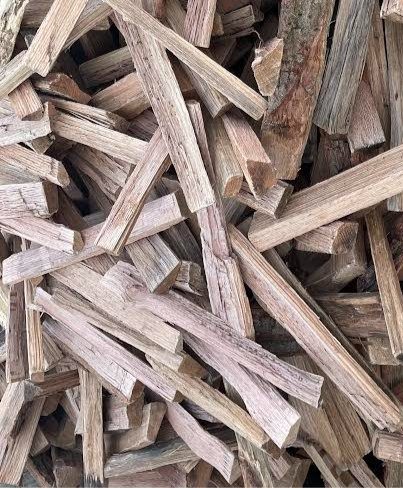
- Softwoods as fuel. Pine and spruce light instantly, burn fast and smoky, and leave more creosote. Great kindling, poor fuel.
- Treated, painted, or glued wood. Never. The smoke is toxic.
- Driftwood. Salt makes corrosive smoke.
- Anything wet. See the rule above.
Why the blend is usually the smart buy
Our Kiln-Dried Mixed Hardwoods is a Virginia blend of cherry, hickory, maple, red oak, white oak, poplar, locust, and ash. In a fireplace it behaves better than straight oak: the cherry and ash catch fast, the oak and hickory carry the evening, and the whole thing costs less per stack. Most of our customers burn the blend; stove owners and overnight burners go Oak. Plenty keep both.
Whichever you pick, it is kiln-dried, 16 inch splits, hand-selected, and delivered to your door across Virginia, DC, Maryland, and North Carolina. Species gets you most of the way. Dry gets you the rest.
Frequently asked questions
What is the best firewood to burn?
For heat and burn time, dense hardwoods: oak, hickory, and locust at the top, then maple, ash, and cherry. For easy lighting and bright flames, ash and cherry. For most fireplaces, a mixed hardwood blend gives you the best of both at a lower price than straight oak.
Is oak the best firewood?
Oak is the best for long, hot, steady burns, which is why it is the pick for wood stoves and overnight fires. It is slower to light and slower to get going than lighter woods, so pair it with good kindling or a few splits of ash or cherry.
What firewood should I avoid?
Softwoods like pine and spruce as your main fuel (fast, smoky, resinous, more creosote), anything treated, painted, or pressure-treated, driftwood, and any wood that is still wet inside. Pine is fine as kindling.
Does firewood species matter more than dryness?
No. Dryness matters more. Wet oak burns worse than dry poplar. Pick a good species, but make sure it is actually dry: kiln-dried is tested and consistent, seasoned wood varies.
What is in a mixed hardwood cord?
Ours is a Virginia blend of cherry, hickory, maple, red oak, white oak, poplar, locust, and ash, all kiln-dried and split to 16 inches. The mix lights easier than straight oak and still burns long, and it costs less.
Clark started splitting and selling firewood on his family farm in Upperville, Virginia at age 11. Today Clark's Firewood delivers premium kiln-dried hardwood to homes across Virginia, Washington DC, Maryland, and North Carolina, and Clark personally guarantees every order.