Is it illegal to move firewood across state lines? Virginia, DC, and Maryland, in plain language
You are not imagining the signs at the campground. Moving firewood is regulated in most of the country, including around Virginia, DC, Maryland, and North Carolina, because of what lives inside a log. Here is why, what the rules generally look like, and how to stay out of trouble. This is a plain-language overview, not legal advice: confirm with the state agency or park before you travel.

Every fall someone asks whether they can take a few of our logs to a cabin in West Virginia or a campsite in Pennsylvania. The honest answer is "probably, if it is heat-treated, but check," and that answer deserves an explanation. Here is the why, the what, and the how.
Short answer
Moving untreated firewood across state lines, or in and out of a pest quarantine area, is restricted in many places, and most parks ban outside wood outright. Heat-treated (kiln-dried) wood is usually the exception, sometimes only with a label. The safe rule: buy wood where you burn it, or bring heat-treated wood and confirm the park accepts it. Verify with the state agriculture department or the park before you go.
Why firewood is regulated at all
A log is a hotel for insects. Emerald ash borer larvae live under ash bark. Spotted lanternfly lays egg masses on almost any surface, including split wood. Asian longhorned beetle, gypsy moth, oak wilt, and a dozen others travel the same way. On their own these pests move a few miles a year. In the back of a car they move three hundred miles in an afternoon, and a new infestation starts wherever the log is unloaded. "Buy it where you burn it" is the slogan every state agency uses, and it is good advice.
What the rules generally look like
- Quarantine areas. States draw lines around infested counties and restrict moving "regulated articles," which usually includes untreated firewood, out of them. Parts of Virginia, Maryland, and the states around us have had quarantines for spotted lanternfly and other pests. The lines move; the agency websites have the current maps.
- State and national parks. Most parks in the region do not allow visitors to bring their own firewood. They sell wood at the gate or allow packaged, labeled heat-treated wood. Some require the label; some do not care as long as it is kiln-dried; some ban everything. It is the park's call.
- Heat-treated exemptions. Wood that has been held at a high temperature long enough to kill insects inside it is usually exempt from movement restrictions. Certain programs require a specific certification label. Kiln-drying is heat treatment; whether a given gate wants to see a label is a question for that gate.
- Home use. Buying firewood for your own fireplace from a supplier inside your state is not what these rules are aimed at. They are aimed at raw wood moving long distances, especially into campgrounds and forests.
None of that is legal advice. Rules differ by state and change by season. The Virginia Department of Agriculture and Consumer Services, the Maryland Department of Agriculture, and the park you are visiting have the current word.
What to do
- Going camping? Plan to buy wood at or near the campground, or bring packaged heat-treated wood and check the park's policy first. Do not bring split wood from your backyard pile across a state line.
- Going to a cabin? Check whether your route crosses a quarantine boundary, and whether the destination county has its own rules. Heat-treated wood is the safe choice.
- At home? Buy from a local supplier and burn it here. If you want wood you can store inside without worrying about what is in it, buy kiln-dried; the bugs guide explains why.
Where our wood fits
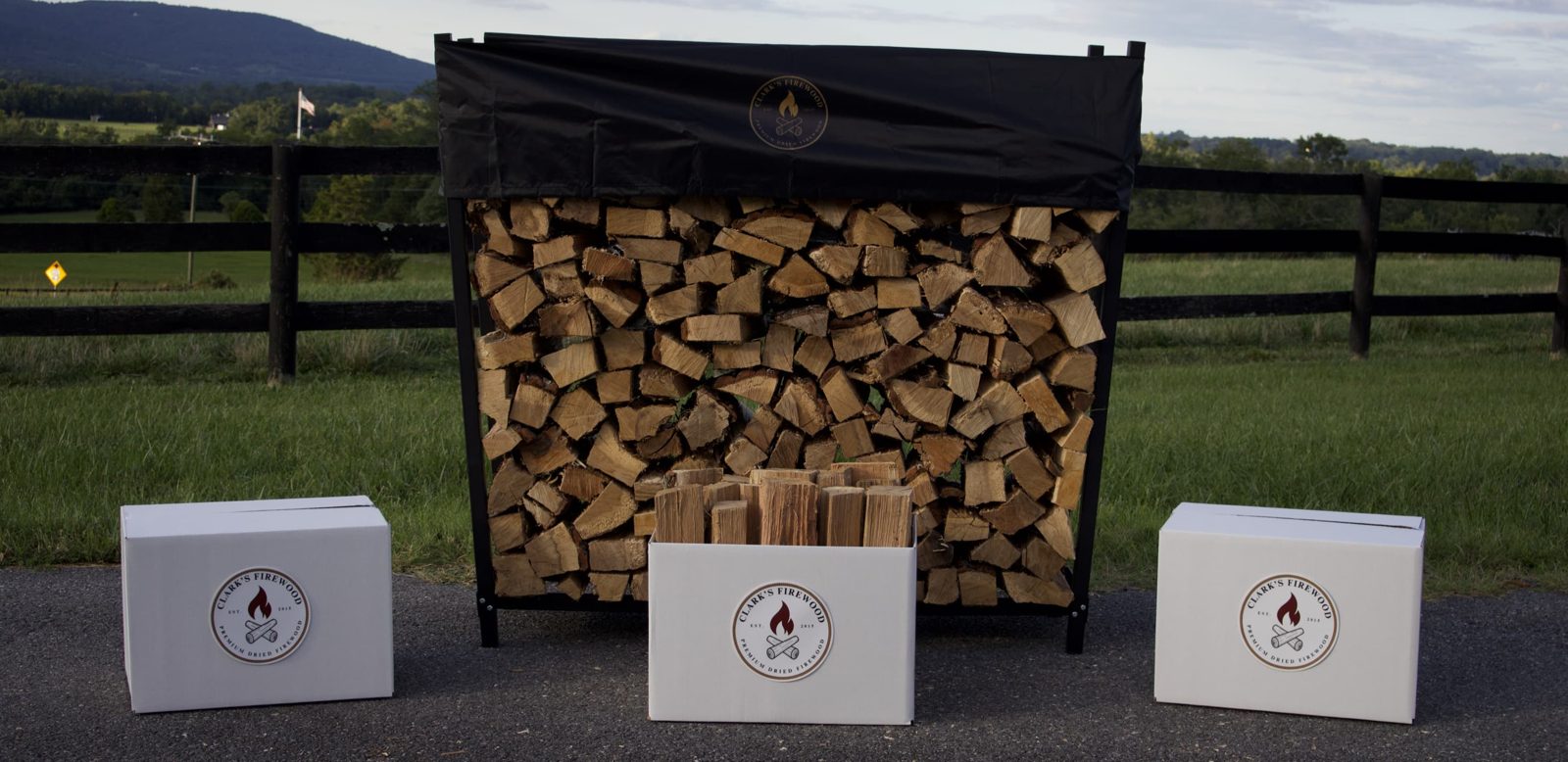
Everything we sell is kiln-dried, which is heat treatment by definition: the kiln kills insects, larvae, eggs, and mold inside the wood, which is why it is safe to store in a garage or by the fireplace. We source and deliver within Virginia, DC, Maryland, and North Carolina. If you are taking some of it to a park, ask the park what it accepts before you load it, and the kiln-dried explainer has the drying details if a ranger asks.
Frequently asked questions
Is it illegal to move firewood across state lines?
It depends on the states, the wood, and sometimes the county. Many states restrict moving untreated firewood in or out of areas quarantined for invasive insects, and many parks ban outside firewood entirely. Heat-treated firewood is often allowed where raw wood is not. Check the destination state's agriculture department and the park's own rule before you load the car.
Why do states restrict moving firewood?
Insects and diseases ride in firewood: emerald ash borer, spotted lanternfly egg masses, Asian longhorned beetle, and others. A tree pest that spreads a mile a year on its own can jump a hundred miles in one trunk full of logs. The rules exist to slow that down.
What does heat-treated firewood mean?
Wood that has been held at a high enough temperature for long enough to kill insects and larvae inside it. Kiln-drying does this. Some programs require a specific certification label for the wood to count at a park gate or across a quarantine line, so ask the park what it accepts.
Can I bring firewood to a Maryland or Virginia state park?
Many parks in the region do not allow visitors to bring in their own firewood and sell wood on site or allow packaged heat-treated wood. Policies change; check the specific park before you go.
Does this affect home delivery?
For a delivery to your house inside our area, no: we source and deliver within Virginia, DC, Maryland, and North Carolina and follow the rules that apply to a firewood business. The rules above are about you moving wood yourself, especially to camp.
Clark started splitting and selling firewood on his family farm in Upperville, Virginia at age 11. Today Clark's Firewood delivers premium kiln-dried hardwood to homes across Virginia, Washington DC, Maryland, and North Carolina, and Clark personally guarantees every order.