Bugs in firewood: what lives in a woodpile and how to keep it out of your house
A woodpile is a habitat. Most of what lives in it is harmless outdoors and unwelcome in a living room. Here is what you are likely to find, which ones actually matter, and the two things that keep every one of them out of your house.

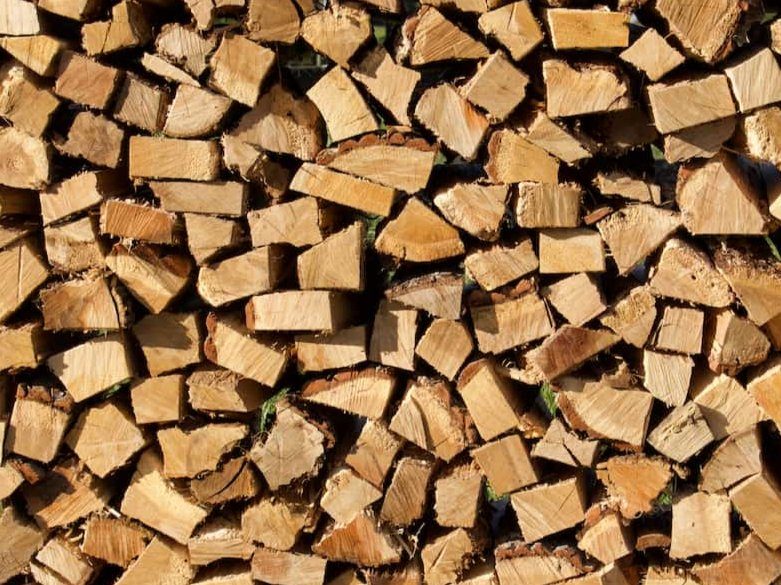
Every February I get an email with a photo of something crawling across a hearth. Usually it is a beetle. Sometimes it is a carpenter ant, which is a bigger deal. Once it was a wolf spider the size of a quarter. All of them arrived the same way: on a log, from an outdoor pile, into a warm house.
Short answer
Air-dried firewood carries insects, and warm indoor air wakes them up. Two rules keep them out: store seasoned wood off the ground and away from the house and bring in only what you burn today, or burn kiln-dried wood, which has been through heat that kills insects and eggs and is safe to store indoors.
What lives in a woodpile
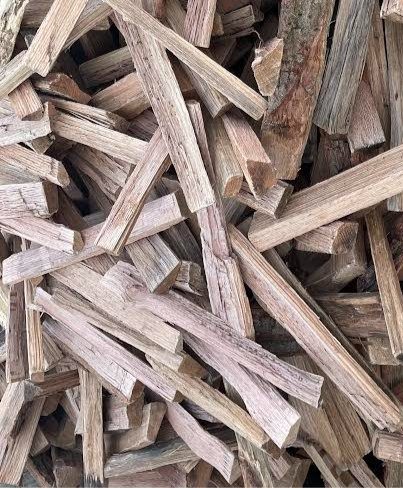
- Bark and powderpost beetles. The most common. Small, slow, leave pinholes and fine sawdust. They live in the wood, not in your house, but they will crawl out indoors.
- Carpenter ants. Large black ants that nest in damp, soft wood. A pile on wet ground is ideal for them, and a pile against the house gives them a bridge to the framing. These are the ones to take seriously.
- Termites. Less common in a stack, but a pile on the soil against a foundation is exactly how a colony finds a house. Never stack air-dried wood against the siding.
- Spiders, centipedes, earwigs, sowbugs. Harmless, startling, and they all ride in on bark.
- Mold and fungus. Not a bug, but the same source: damp wood under a tarp grows it, and the spores come inside with the log.
Why they come inside
Insects in firewood are mostly dormant in cold weather. Bring a log into a warm room and they wake up within hours, which is why the problem shows up in winter, not fall. A stack of seasoned wood kept by the fireplace for convenience is the single most common way people get a kitchen full of beetles.
The storage rules for air-dried wood
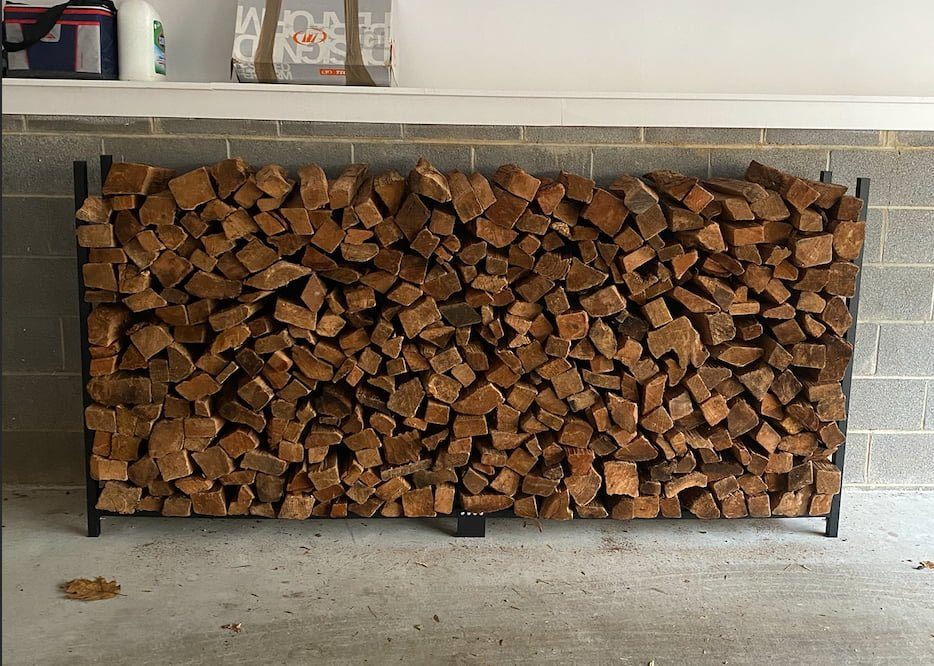
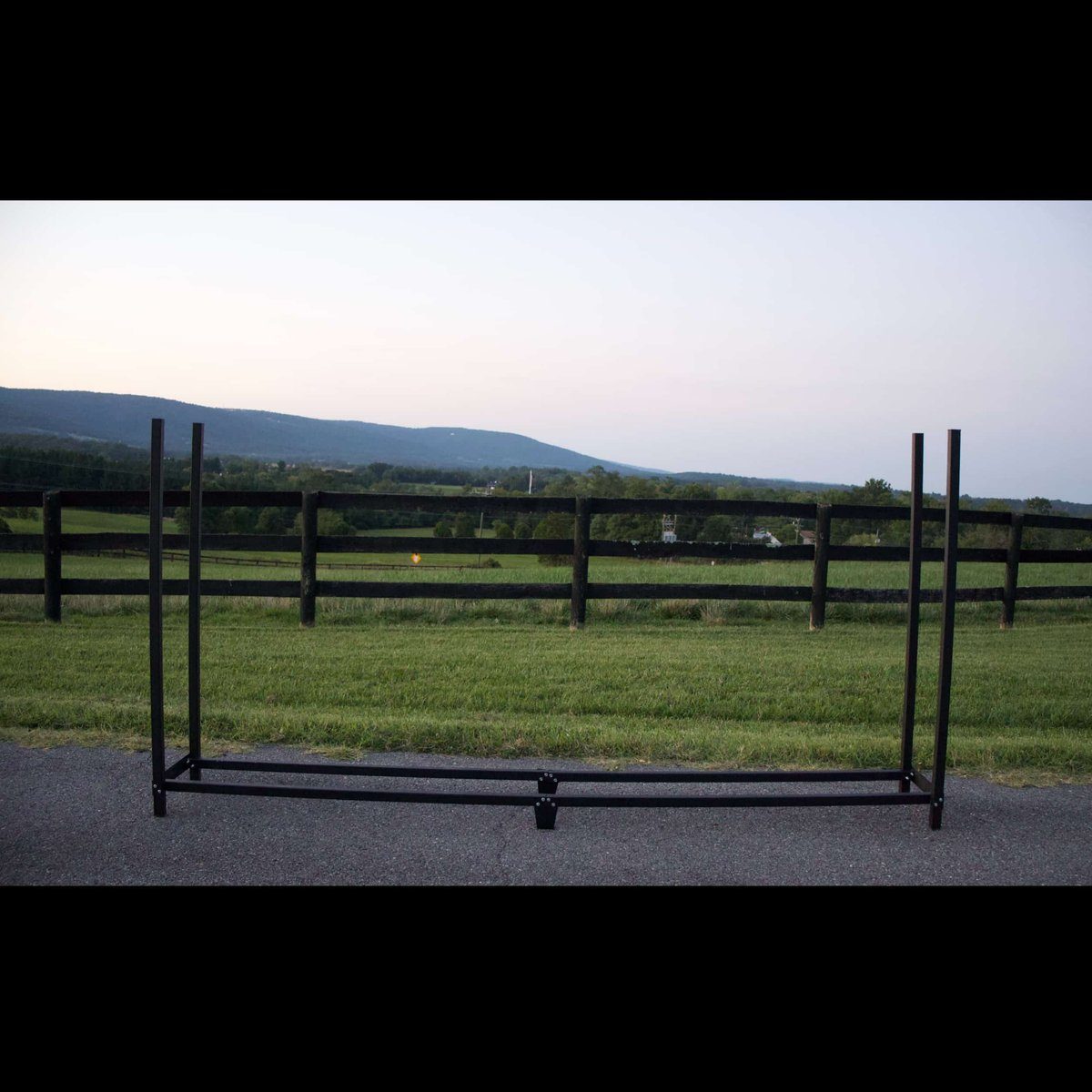
- Off the ground. A rack, pallets, or runners. Ground contact is where ants and termites get in.
- Away from the house. A few feet off the siding, so nothing walks straight from the pile into the wall.
- Top covered, sides open. Dry wood is less attractive to everything. A sealed tarp makes it damp and makes it worse.
- Oldest wood first. Burn through the stack in order so nothing sits for years.
- Bring in only today's wood. Carry in what you will burn in the next few hours. Do not keep a week of seasoned wood by the hearth.
- Knock it before you carry it. A sharp rap on the ground shakes off loose bark and whatever is under it.
Do not spray firewood with insecticide. Whatever you put on it, you breathe when it burns.
The other answer: wood that has been through a kiln
This is the quiet reason a lot of our customers switched. Kiln heat kills insects, larvae, and eggs in the wood and dries it to a level where mold cannot grow. That means kiln-dried firewood can live where seasoned wood should not: in a garage, a mudroom, a basement, or on a rack beside the fireplace. No bringing in a day at a time, no beetles in February.
It is also why we can stack a delivery against your house or inside the garage without a second thought, which our drivers do every day across Virginia, DC, Maryland, and North Carolina. If you have fought a winter of hitchhikers, our Mixed Hardwoods and 100% Oak are the fix, and the storage guide covers where to put them.
Frequently asked questions
Can termites come into the house on firewood?
Yes. Firewood stacked on the ground, especially against the house, is one of the common ways termites and carpenter ants find their way in. Keep air-dried wood off the ground and away from the foundation, and bring in only what you will burn that day. Kiln-dried wood has been through heat that kills insects and their eggs and can be stored inside.
Is it safe to store firewood indoors?
Kiln-dried firewood, yes: the kiln kills insects, larvae, and mold. Air-dried or seasoned firewood, no: it can carry beetles, ants, spiders, and mold spores, and warm indoor air wakes dormant insects up. Keep seasoned wood outside and bring in a day's worth at a time.
What are the little holes in my firewood?
Small round holes with fine sawdust are usually powderpost or bark beetles. They mostly stay in the wood and will not infest your house framing, but they will crawl out indoors. Burn that wood outside or keep it out of the house until the day you burn it.
Should I spray firewood for bugs?
No. Pesticide on firewood goes into the air you breathe when it burns. Dry heat is the only safe treatment, which is what a kiln does. For air-dried wood, the controls are storage: off the ground, away from the house, covered on top, and brought in only to burn.
Does kiln-drying really kill bugs?
Yes. Sustained kiln heat kills insects, larvae, and eggs in the wood, and dries it to a level where mold cannot grow. That is why kiln-dried firewood is the only kind we recommend storing in a garage, a mudroom, or next to the fireplace.
Clark started splitting and selling firewood on his family farm in Upperville, Virginia at age 11. Today Clark's Firewood delivers premium kiln-dried hardwood to homes across Virginia, Washington DC, Maryland, and North Carolina, and Clark personally guarantees every order.