Store-bought firewood bundles vs delivered: the real math
That shrink-wrapped bundle by the grocery store door feels like a small, sensible purchase. Multiply it across a winter and it becomes the most expensive firewood money can buy. Here are the numbers.

I have nothing against the grocery store bundle. It rescued plenty of spontaneous evenings, and for a campsite it is exactly the right product. But a surprising number of households heat their fireplace all winter one bundle at a time, and I want to show that math plainly, because it is not close.
Short answer
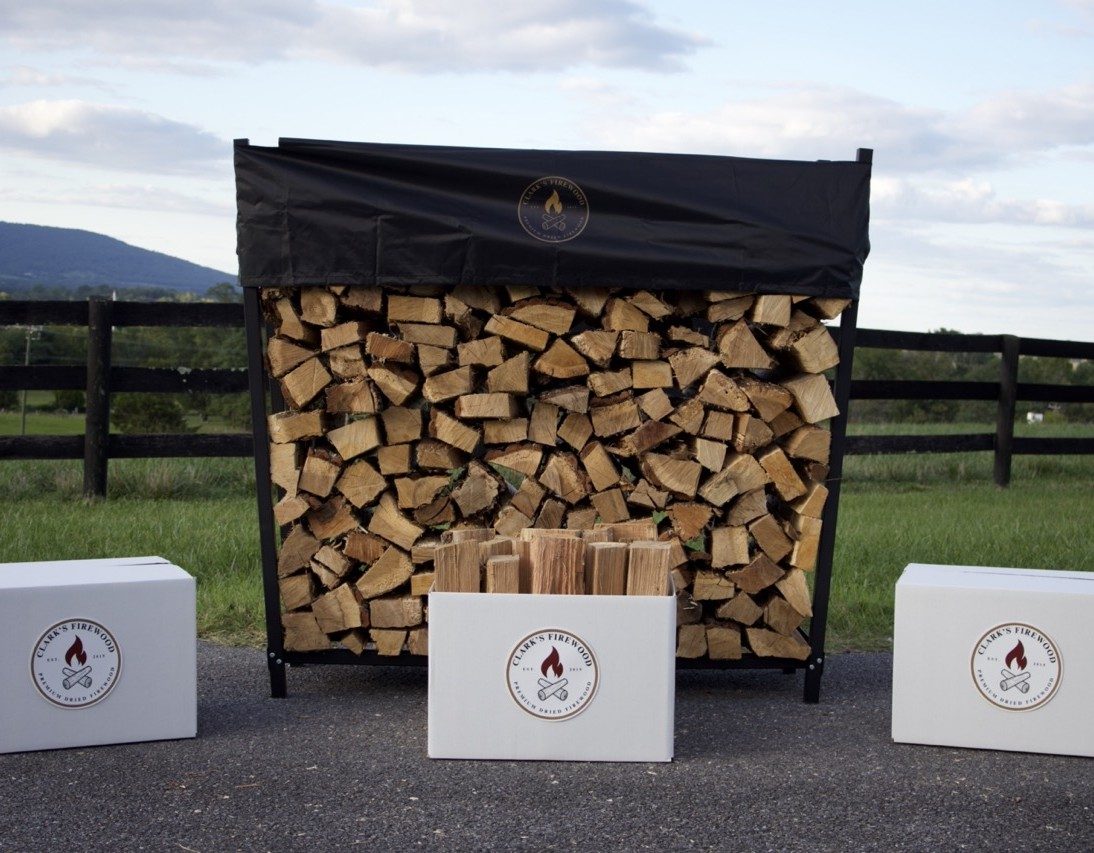
A store bundle is roughly 0.75 cubic feet of wood, about one evening's fire, at a price that works out to several times the per-volume cost of delivered wood. A delivered 4x8 stack of kiln-dried hardwood runs about 80 fires at under $5 per fire, arrives once, and is better wood. Bundles are for camping; stacks are for winters.
What a bundle actually contains
The standard retail bundle holds around 0.75 cubic feet: five to eight smallish splits. If the wood is genuinely dry, that is one evening in the fireplace, sometimes less with an enthusiastic fire. A full cord, the standard firewood unit, is 128 cubic feet, which means it would take roughly 170 bundles to equal one cord.
Nobody buys 170 bundles at once, of course. They buy one every Friday from November to March, which is precisely how the cost hides.
The per-fire math
| Store bundle | Delivered 4x8 stack (ours) | |
|---|---|---|
| Wood volume | ~0.75 cubic feet | ~42 cubic feet |
| Fires | ~1 | ~80 |
| Typical price | varies by store, per fire | $360 + flat delivery from $25 |
| Cost per fire | the full bundle price, every time | under $5 |
| Trips required | one per fire | zero: it comes to you |
Run your own store's bundle price against that last column. In every market we serve, a winter of bundles costs a multiple of a delivered stack, before counting the gas and the Friday errands.
The quality gap nobody mentions
Price aside, bundle wood and delivered kiln-dried are usually different products wearing the same shrink wrap.
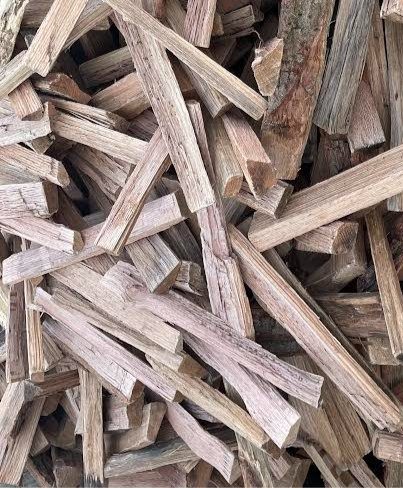
- "Heat treated" is not "kiln dried for burning." Retail bundles are often heat-treated just enough to kill pests for interstate transport. That sterilizes the wood; it does not necessarily dry the inside of the split to burning moisture. Proper kiln drying, the kind we do, takes the whole split to low moisture, which is why it lights in minutes.
- Mystery species. Bundles rarely say what wood you are getting. We name ours: a Virginia hardwood blend, or 100% oak, your choice.
- Split size roulette. Bundle splits are cut for packaging, not for your firebox. Ours are a consistent 16 inches, every split, every order.
When the bundle honestly wins
Fair is fair: the bundle is the right buy for a campsite, a beach permit fire, a rental cabin, or the single evening a year you burn at all. Convenience products are for occasional needs. The mistake is only in using an occasional-needs product as a heating plan.
Bottom line
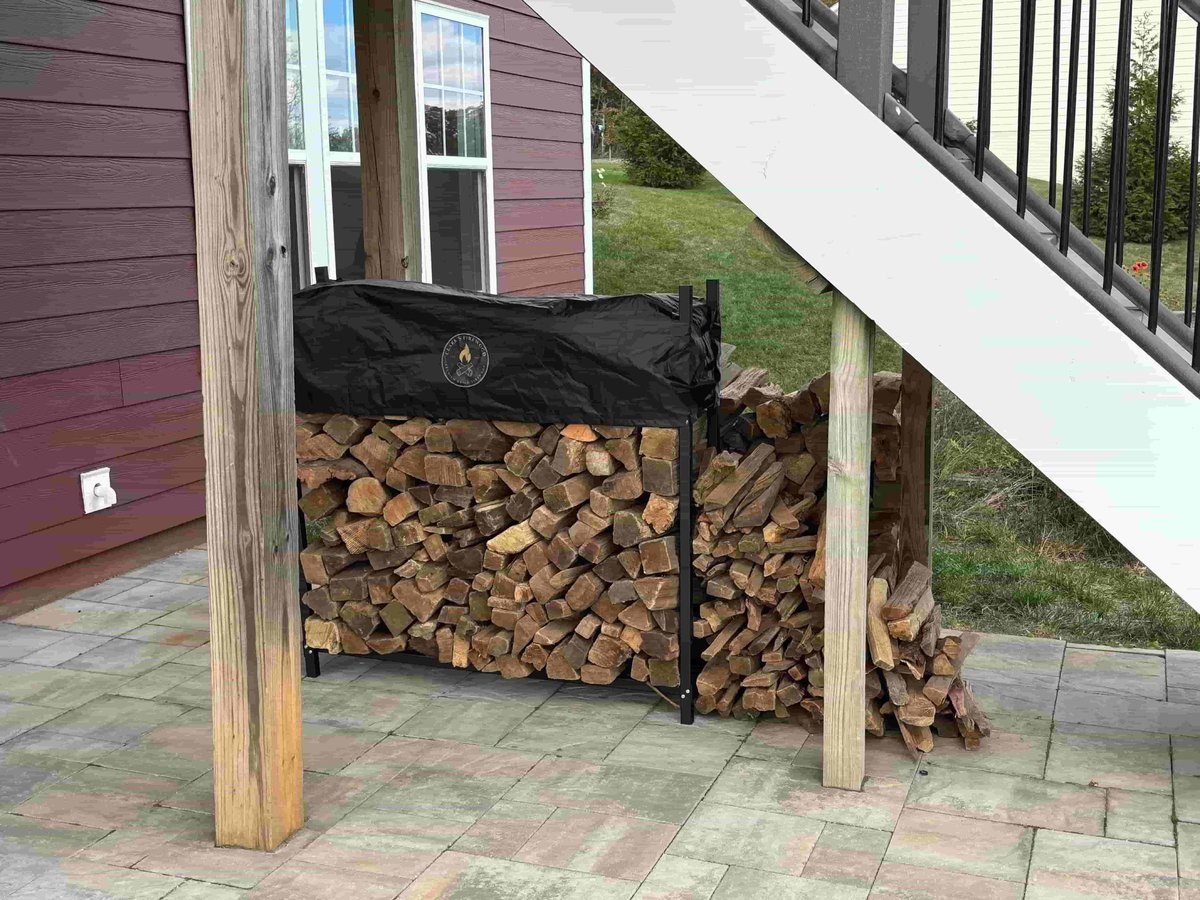
If you burn more than a handful of fires a season, the delivered stack wins on price per fire, wood quality, and, honestly, convenience: one delivery, stacked where you point, 80 fires ready whenever the evening calls for one. That is what the bundle is pretending to be.
See our full pricing breakdown for how firewood costs work, or pick a stack and have the season handled: kiln-dried, hand-selected, delivered across Virginia, DC, and Maryland in 1 to 5 days, personally guaranteed by me.
Frequently asked questions
How much wood is in a store-bought firewood bundle?
Typically around 0.75 cubic feet: five to eight small splits, roughly one evening of fire if the wood is dry. A full cord is 128 cubic feet, so you would need roughly 170 bundles to equal one cord.
Are grocery store firewood bundles more expensive per fire?
Dramatically. At typical bundle prices, wood bought a bundle at a time costs several times more per cubic foot than the same quality wood delivered by the stack. Bundles price convenience, not wood.
When do store bundles actually make sense?
For a one-off: a campsite, a beach fire, a single evening when you have nothing on the rack. For anyone burning more than a few times a season, a delivered stack costs far less per fire and is simply better wood.
Is store-bought bundle wood dry?
Sometimes labeled kiln-dried, often just heat-treated to kill pests, which is not the same as dried for burning. Heat treatment sterilizes the wood surface; proper kiln drying takes the whole split to low moisture so it lights and burns well.
How much does delivered firewood cost per fire?
Our mixed hardwood 4x8 stack runs about 80 fires for $360 plus a flat delivery fee from $25, landing under $5 per fire. A store bundle is one fire for the price of two to three delivered fires.
Can delivered firewood be stored as conveniently as bundles?
More conveniently: it arrives once, stacked where you want it, and kiln-dried wood stores indoors or on a covered rack with no bugs or mold. Convenience is having 80 fires on the rack, not driving to the store before each one.
Clark started splitting and selling firewood on his family farm in Upperville, Virginia at age 11. Today Clark's Firewood delivers premium kiln-dried hardwood to homes across Virginia, Washington DC, Maryland, and North Carolina, and Clark personally guarantees every order.