Firewood prices explained: what you are actually paying for
Two firewood ads can show the same price and describe completely different products. Species, drying, log length, delivery, and labor all move the number. Here is the honest breakdown, from someone who sets these prices for a living.

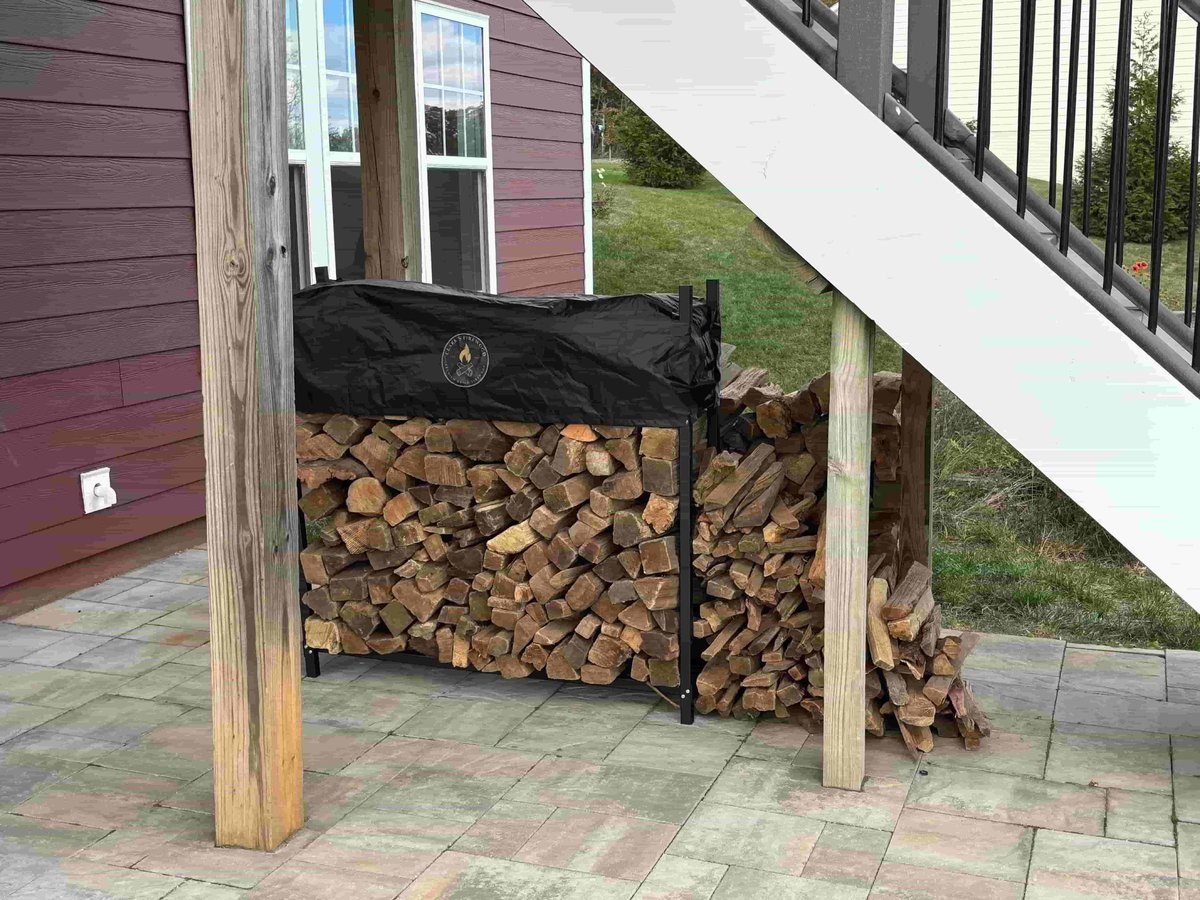
Firewood pricing looks simple until you try to compare two sellers. Then you discover one "cord" is not the other's cord, one seller's "seasoned" spent a summer under a tarp, and the cheap listing does not deliver, stack, or answer the phone. This guide breaks the price of firewood into its real parts so any quote, anywhere, reads clearly.
Short answer
Five things set the price of firewood: how much wood you are really getting (volume and log length), the species (oak costs more and burns longer), how it was dried (kiln-dried costs more to make and burns far better), delivery, and stacking labor. Compare quotes on those five and the confusing market becomes simple arithmetic.
1. Volume: the biggest trick in the market
Before anything else, know how much wood a price actually buys. A full cord is a fixed 128 cubic feet; every other term, face cord, rick, rack, is a stack whose true volume depends on log length, and log length is where cheap listings hide. Our cords and racks guide covers this in depth.
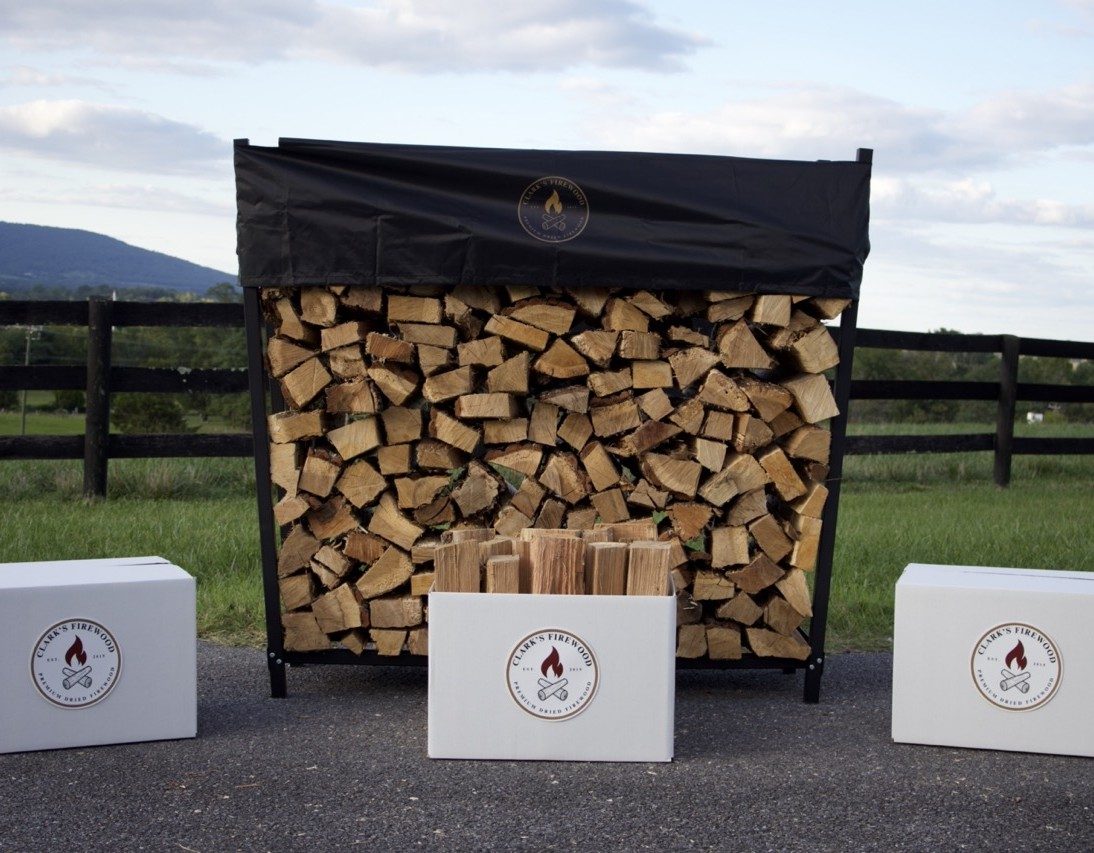
Our answer is fixed units: every split is 16 inches, so our 4x8 stack is always one-third of a cord, our 4x16 always two-thirds. Nothing to decode.
2. Species: why oak commands a premium
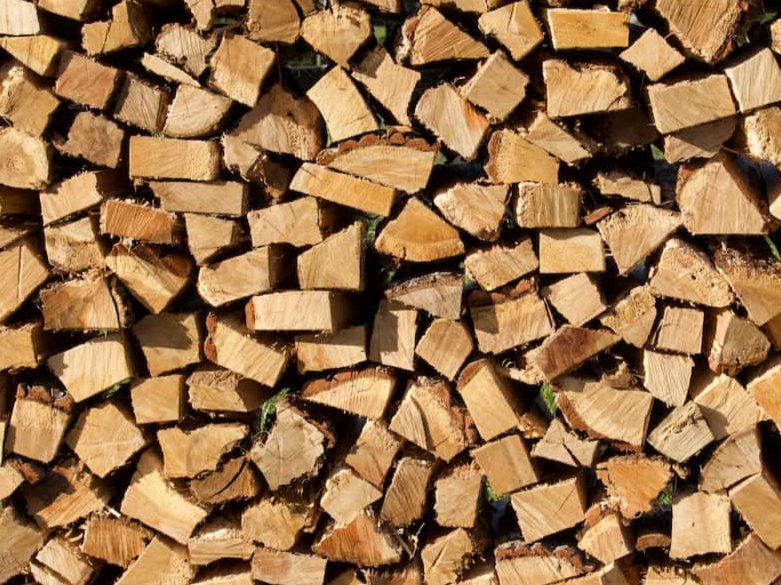
Wood is stored energy, and dense wood stores more of it. Oak is the densest wood we sell, which is why our 100% oak runs above our mixed hardwood blend at every size: the same size stack contains meaningfully more total heat and burns noticeably longer per log. Mixed hardwood, a Virginia blend of oak, cherry, hickory, and maple, lights faster and costs less; oak burns longest and hottest. Neither is wrong, they are different tools.
| Size | Mixed hardwood | 100% oak | About how many fires |
|---|---|---|---|
| 2x4 ft stack | $140 | $175 | ~20 |
| 4x4 ft stack | $220 | $300 | ~40 |
| 4x8 ft stack | $360 | $420 | ~80 |
| 4x16 ft stack | $700 | $800 | ~160 |
Notice what the fire count does to the math: the bigger stacks cost far less per fire. A 4x16 of mixed works out to under $4.50 a fire before delivery, which is the cheapest good evening you will buy all winter.
3. Drying: the part that decides how the wood burns
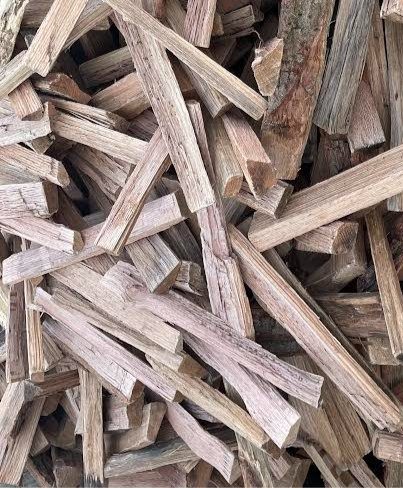
This is the price difference that pays for itself. Freshly cut wood is heavy with water. "Seasoned" wood has sat outside for months with unverifiable results, often still wet in the middle. Kiln-dried wood spent days in a heated kiln coming down to low moisture, ours averages under 12 percent, which changes everything about how it burns: instant lighting, hot clean flames, minimal creosote, and no bugs or mold to bring indoors.
Kilns cost money to run, so kiln-dried costs more per stack. But wet wood makes you pay differently: part of every fire's energy goes to boiling water instead of heating your room, the smoke gums your chimney, and half-burnt smolders waste logs. The full comparison lives in our kiln-dried vs seasoned guide; the short version is that cheap wet wood is expensive heat.
4. Delivery: flat, and by distance
Delivery costs the seller real miles and time, and honest pricing states it plainly. Ours is a flat fee by zip zone, from $25 in our closest areas across Virginia, DC, and Maryland, shown the moment you enter your zip. One fee per delivery no matter the order size, which quietly rewards ordering your season at once instead of in pieces.
5. Stacking: labor, priced as labor
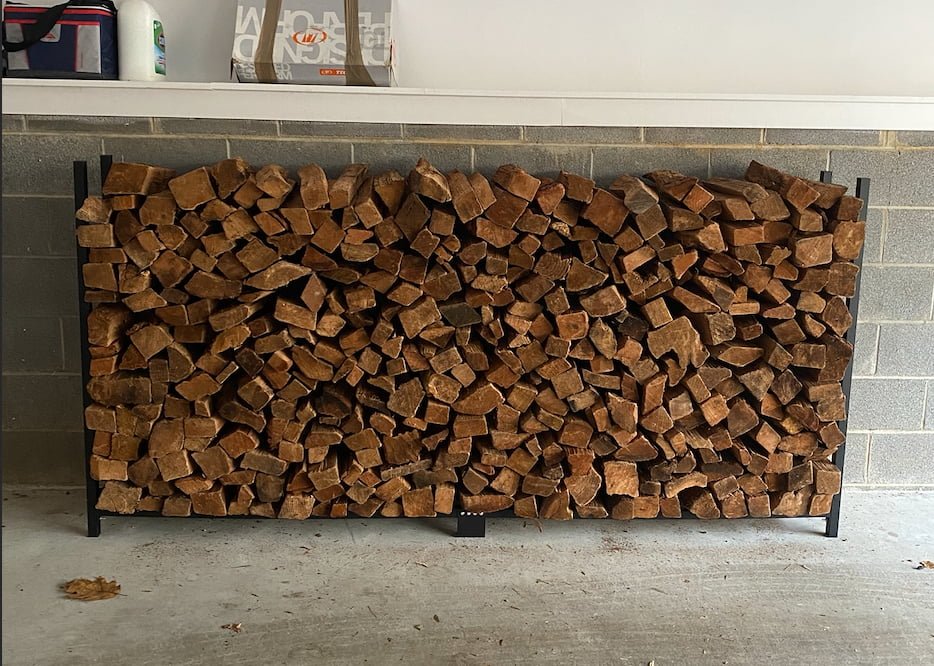
Stacking is real work done by a real person, so it is a priced add-on, from $20 depending on stack size. The driver builds a tight, level stack exactly where you point: rack, porch, garage wall. Skip it and save if you like the work; most of our customers consider it the best money on the order.
What you are not paying for with us
- No guessing games: fixed 16-inch splits, fixed stack sizes, prices on the site, delivery fee by zip before checkout
- No mystery wood: hand-selected hardwood, species named, moisture standard stated
- No cash-at-the-curb ritual: everything is ordered and paid online, with delivery directions honored whether you are home or not
Bottom line
Firewood prices stop being confusing the moment you separate the five ingredients: volume, species, drying, delivery, and labor. Any seller who states all five plainly is worth your time. Any seller who hides one of them is telling you where the catch is.
Our full price list is public, delivery fees show by zip, and every order is kiln-dried, hand-selected, and personally guaranteed by me. That is the whole pitch.
Frequently asked questions
Why is kiln-dried firewood more expensive than seasoned?
Kiln drying costs real money: days of controlled heat per batch, plus the handling. In exchange the wood arrives at low moisture, lights easily, burns hot and clean, and has no bugs or mold. With seasoned wood, part of your money buys water you then have to boil off in your fireplace.
Why does oak firewood cost more than mixed hardwood?
Density. Oak packs more energy per split, burning hotter and far longer, so a stack of oak delivers more total heat than the same stack of lighter woods. You pay more per stack and get more fire per stack.
Is cheap roadside firewood actually a good deal?
Usually not once you check three things: real volume (unstated log lengths shrink it), moisture (wet wood wastes heat and gums your chimney with creosote), and what is riding along (bugs and mold). Cheap wet wood costs less per pile and more per usable fire.
What does firewood delivery cost?
Ours is a flat fee by zip zone, from $25 in our closest areas, shown instantly when you enter your zip. One fee per delivery regardless of order size, which is why larger orders are the best value per fire.
Is paying for stacking worth it?
If you value your back and a tight, stable stack, yes: it is a modest add-on and the driver builds the stack exactly where you want it. If you enjoy stacking your own wood, skip it; a dumped delivery costs less.
When is firewood cheapest to buy?
Availability, more than price, is what changes in season: kiln-dried supply is fixed and sells out during peaks. Buying in early fall means full selection and the fastest delivery of the year, which is the real saving.
Clark started splitting and selling firewood on his family farm in Upperville, Virginia at age 11. Today Clark's Firewood delivers premium kiln-dried hardwood to homes across Virginia, Washington DC, Maryland, and North Carolina, and Clark personally guarantees every order.