How to season firewood (and why most people give up and buy kiln-dried)
Seasoning is just drying wood with air and time. Done right it works. Done the way most people do it, the wood is still wet in December. Here is the right way, the real timeline, and the point at which buying dry wood is the smarter move.

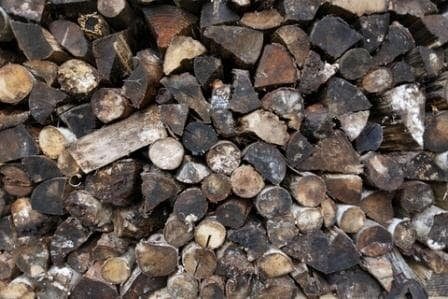
I seasoned my own wood for years before I ever saw a kiln. I still think everyone with a woodlot should know how to do it. I also know exactly why most people stop: the timeline is longer than anyone wants, the stacking has to be right, and one wet winter of hissing logs is enough to make the math obvious. Here is the honest version of both halves.
Short answer
Split it small, stack it off the ground with the sides open to sun and wind, cover only the top, and wait: six to twelve months for light hardwoods, a year or more for oak. Test with a meter before you burn. If you need dry wood this season and yours was cut this year, buy kiln-dried now and let yours finish for next year.
Step 1: split it, and split it now
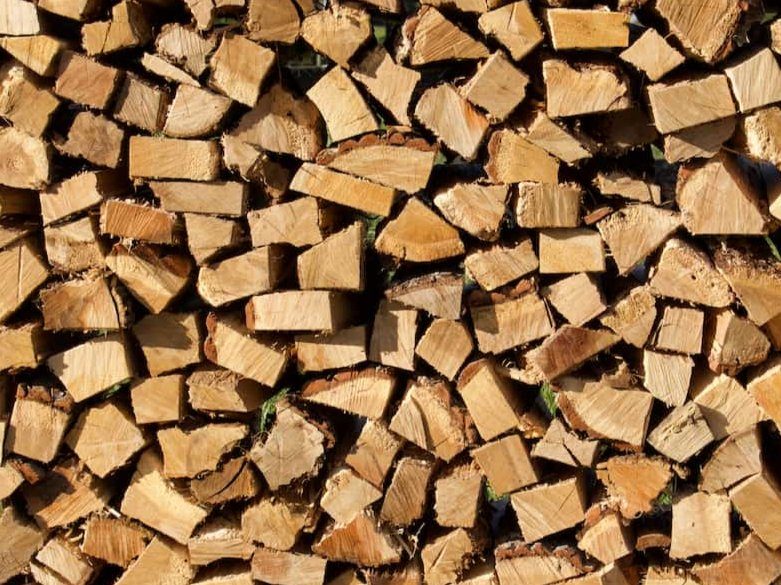
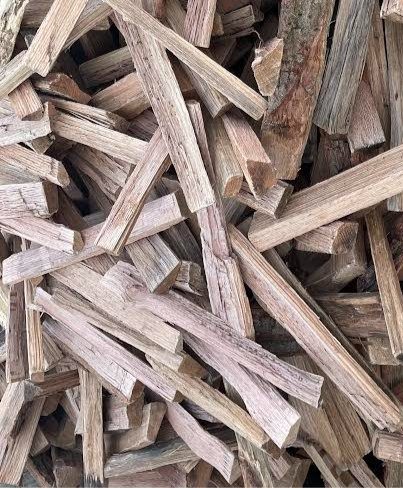
Wood dries through the exposed faces, not through bark. A round with bark all the way around barely dries at all; a pile of rounds behind the shed is the same moisture two years later. Split everything to fireplace size as soon as it is cut. Smaller splits dry faster, and 16 inches long is the right length for nearly every firebox.
Step 2: stack it where the weather can work
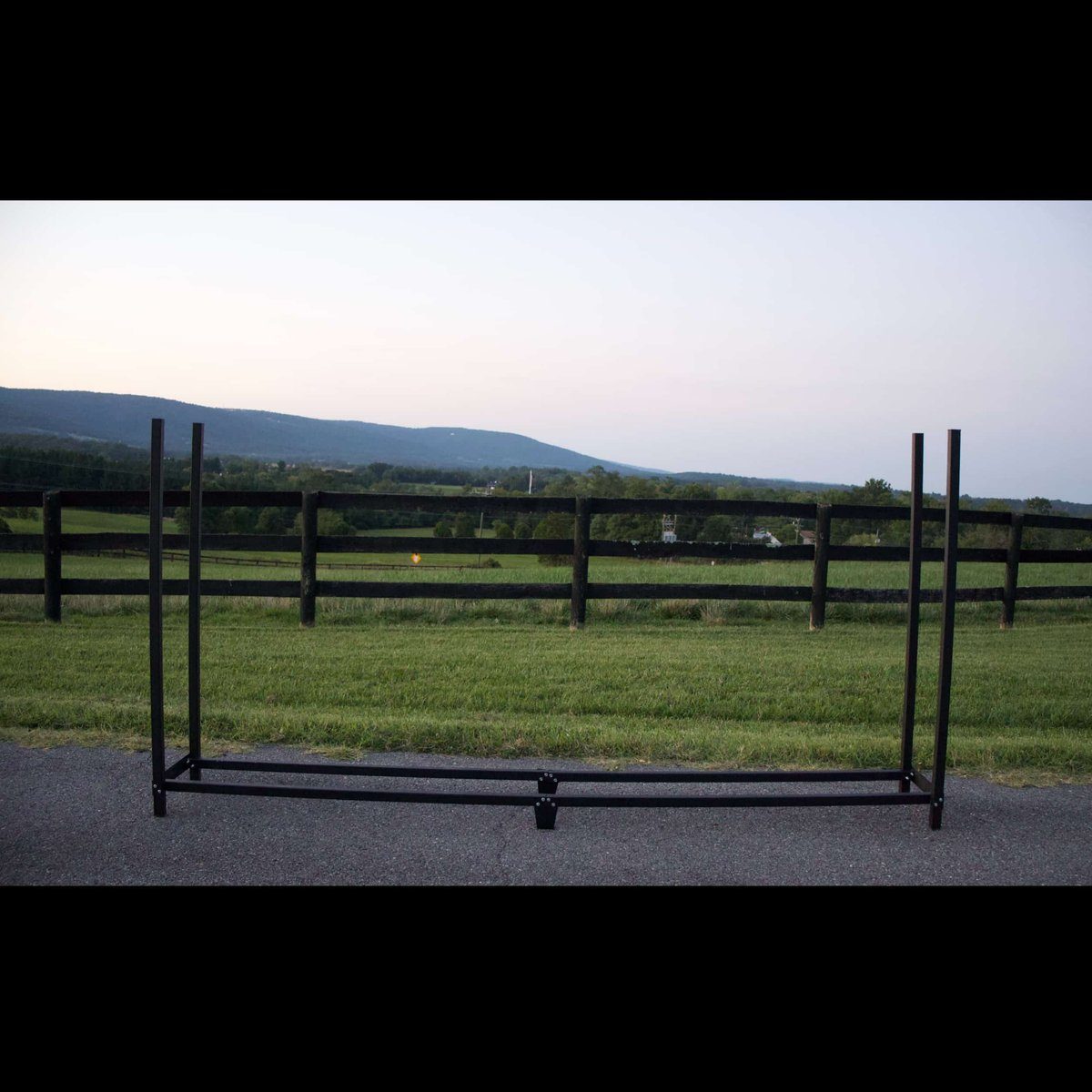
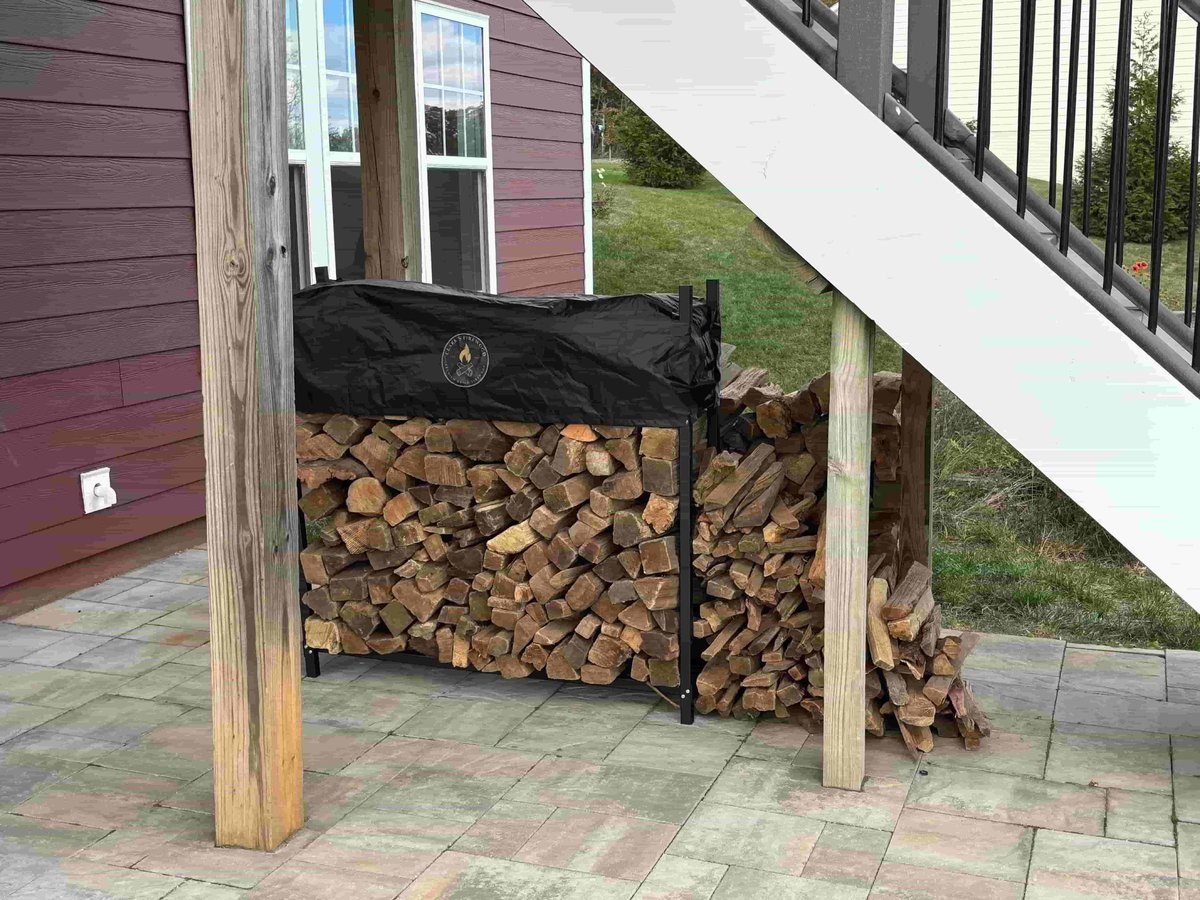
Seasoning is sun and wind. Put the stack in the sunniest, breeziest spot you have, with the long side facing the prevailing wind. Get it off the ground on a rack, pallets, or runners. Build the ends so it does not slump, lay splits bark up, and leave gaps for air. The full method is in how to stack firewood.
A single row is best. Two rows side by side dries slower. A big cube of wood dries only on the outside.
Step 3: cover the top only, and not yet
Green wood wants open air for the first few months. After that, cover the top to keep rain off: a strip of tarp, roofing tin, or a rack cover that hangs a foot down the sides and stops. Never wrap the whole stack. A sealed tarp turns a woodpile into a terrarium, and you get mold instead of firewood.
Step 4: wait, longer than you think
Counting from the day it was split and stacked:
- Poplar, cherry, ash, soft maple: six to twelve months.
- Hard maple, hickory, locust: a year.
- Oak: a year at minimum, often two. Oak holds water like nothing else.
Those are good-conditions numbers: sunny spot, single row, split small. A shaded stack in a wet corner adds months. Wood cut in spring and stacked right can be ready the following fall if it is a light species. Oak cut in spring is next-next winter's wood.
Step 5: test it
Do not trust the calendar. Split a piece and press a moisture meter to the fresh inner face: under 20 percent burns, lower burns better. Without a meter, dry wood is lighter than it was, the ends are gray and cracked, and two pieces knocked together give a crack instead of a thud. The moisture guide covers the readings.
Where it goes wrong
Almost every "I seasoned it and it still will not burn" story is one of these: it was stacked as rounds, it was wrapped in a tarp, it sat in the shade, it was oak and it got one summer, or the clock started when the tree fell rather than when the wood was split. Fix those and seasoning works.
When to buy dry wood instead
Seasoning costs nothing but time and space, and if you have both it is a fine way to heat. It stops making sense when:
- You need wood this season and yours was cut this year.
- You do not have a sunny, open spot for a stack for a year.
- You want to store wood in the garage or by the fireplace. Seasoned wood carries insects and mold; kiln-dried has been through heat that kills both.
- You want the same result every fire instead of a guess.
That last one is why I run a kiln-dried-only business. A kiln does in days what a stack does in a year, to a lower moisture level, every batch. The full comparison is in kiln-dried vs seasoned. If you want dry wood at the door while yours finishes, our Mixed Hardwoods are ready today.
Frequently asked questions
How long does it take to season firewood?
Six to twelve months for softer hardwoods like poplar and cherry, and a year or more for oak and hickory, counting from when the wood was split and stacked properly, not from when the tree came down. Rounds left in a pile do not season.
Can firewood season in one summer?
Thin splits of a light species, stacked in full sun and wind from April on, can get close by October. Oak cannot. If you need oak this winter and it was cut this spring, buy dry wood for this season and let yours finish for next.
Should I cover firewood while it seasons?
Cover the top only, and only once it has had a few months of open air. A tarp wrapped around a green stack traps moisture and grows mold. Leave the sides open to sun and wind all the way through.
How do I know when firewood is seasoned?
Split a piece and test the fresh inner face with a moisture meter: under 20 percent is ready. Without a meter, look for gray, cracked ends, lighter weight, and a sharp crack when two pieces are knocked together.
Is seasoned or kiln-dried better?
Properly seasoned wood burns well. Kiln-dried wood is drier, consistent from batch to batch, free of insects and mold, and safe to store indoors, which seasoned wood is not. Most people who have tried to season their own switch to kiln-dried after one wet winter.
Clark started splitting and selling firewood on his family farm in Upperville, Virginia at age 11. Today Clark's Firewood delivers premium kiln-dried hardwood to homes across Virginia, Washington DC, Maryland, and North Carolina, and Clark personally guarantees every order.