The best firewood for wood stoves
Dense, low-moisture hardwood is what makes a wood stove run hot, clean, and long. Here is how the top species stack up and how to load for all-night burns.

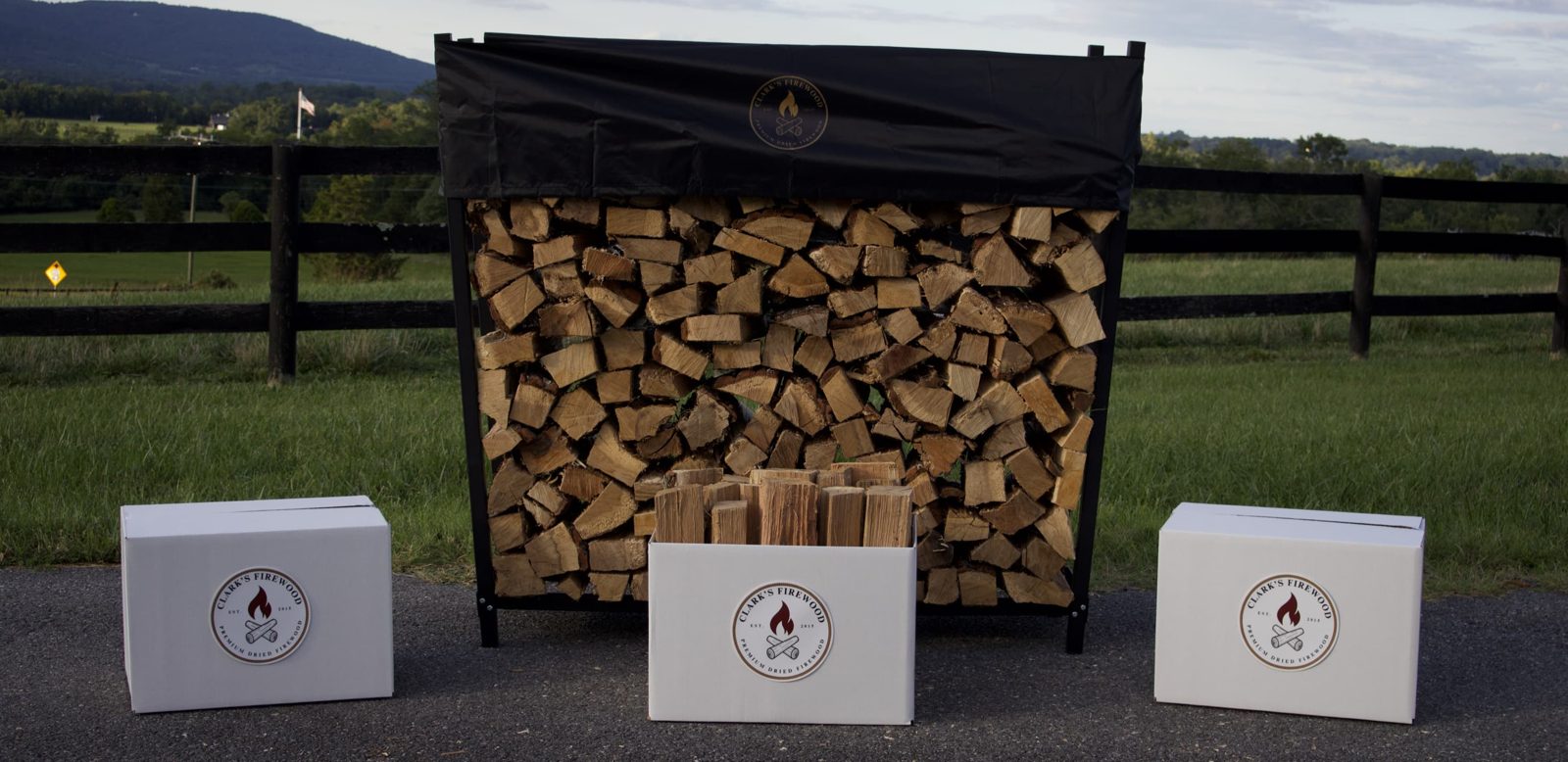
The best firewood for wood stoves is dense, properly dried hardwood, and at the top of that list is oak. Dense species pack more heat into every log, hold a fire longer, and produce the kind of coal bed that carries a stove through the night. If you want one wood that does it all, kiln-dried oak is hard to beat, with hickory, hard maple, and ash close behind.
Short answer
Burn dense, dry hardwood. Oak gives you the longest, hottest, most consistent stove burns, especially overnight. A mixed hardwood blend lights faster and is great for daytime fires and shoulder-season heat. Whatever species you choose, low moisture is what actually makes a wood stove run efficiently and stay clean. Aim for wood that is genuinely dry, not just "seasoned."
What makes good wood stove firewood
A wood stove is a sealed, efficiency-driven appliance. Unlike an open fireplace, it controls airflow so a single load can burn slowly and completely. That changes what you want from your wood. Three things matter most.
Density and BTU
BTU is just a measure of heat energy. Denser wood has more material packed into the same space, so a dense hardwood log carries far more heat than a light softwood log of identical size. In a stove, density is everything: it determines how hot you can run, how long a load lasts, and how good your coal bed is. This is why hardwoods like oak and hickory are the gold standard and why pine and other softwoods, while fine for kindling, burn out fast and leave you reloading constantly.
Low moisture
Even the densest oak burns poorly if it is wet. Water in the wood has to boil off before the wood can release real heat, which steals energy, lowers your stove temperature, and produces smoke instead of clean flame. Dry wood lights faster, burns hotter, and keeps your glass and flue cleaner. I aim for low moisture across the board, on average under 12 percent, which is why everything I sell is kiln-dried rather than left to air-dry and hope for the best. If you want the full picture on why this matters so much, read my guide to firewood moisture.
The right split size
Wood stoves reward consistent, manageable splits. Pieces that are too big choke airflow and smolder; pieces that are too small flash off fast and waste their heat. I cut everything to a consistent 16-inch length, which fits the vast majority of stove fireboxes and stacks cleanly. Consistent splits also make it far easier to dial in a slow, even overnight burn.
The best firewood species for wood stoves
All of these are excellent hardwoods. The differences come down to how hot they run, how long they last, and how easy they are to light. Here is how the top stove species compare.
| Species | Heat output | Burn time | Coal bed | Best use in a stove |
|---|---|---|---|---|
| Oak | Very high | Longest | Excellent, long-lasting | Overnight burns and sustained heat |
| Hickory | Very high | Long | Excellent | Hottest fires; cold snaps |
| Hard maple | High | Long | Very good | Steady all-day heat |
| Ash | High | Medium to long | Good | Easy lighting; reliable workhorse |
- Oak is the benchmark for stove wood. It runs hot, burns slow, and leaves a deep, hot coal bed that you can revive hours later with a little kindling. That coal bed is the secret to true overnight burns.
- Hickory rivals oak on raw heat and is fantastic on the coldest nights. It is dense and tough, which is exactly why it burns so well.
- Hard maple is a clean, dependable hardwood that gives you long, even heat without the intensity of hickory. A great all-day wood.
- Ash lights a little easier than oak and burns reliably hot, which makes it a favorite workhorse species in any good hardwood blend.
You will find all of these in my kiln-dried mixed hardwoods, a Virginia blend of cherry, hickory, maple, red oak, white oak, poplar, locust, and ash, or you can go all-in on density with my kiln-dried 100 percent oak.
Why dryness matters even more in a wood stove
Dryness matters in any fire, but in a wood stove it is critical for two reasons: efficiency and creosote.
A stove is designed to extract as much heat as possible from each load and send the rest up a long, often cool flue. Burn wet wood and you get a low-temperature, smoky, smoldering fire. That smoke carries unburned compounds up the chimney, and when they hit the cooler walls of the flue they condense into creosote, the sticky, flammable deposit behind chimney fires. Dry wood burns hot and clean, which means more heat in your room and far less buildup in your chimney.
There is also a comfort and convenience angle. Dry wood lights on the first match, comes up to temperature fast, and keeps your stove glass clear instead of fogged with soot. Once you have burned genuinely dry firewood in a stove, you will not want to go back.
Oak vs mixed hardwood for long overnight burns
This is the question I get most from stove owners, and the honest answer is that both have a place.
For overnight burns, oak wins. Its density means a packed firebox of oak will smolder slowly and hold a hot coal bed for hours, so you wake up to embers you can rebuild on rather than a cold stove. If your goal is to load up at 10 pm and still have heat at 6 am, oak is the move.
For daytime and shoulder-season fires, a mixed hardwood blend is often the smarter pick. It lights faster, comes up to temperature quickly, and gives you plenty of heat without the long, slow character oak is built for. Many of my stove customers do exactly this: they burn mixed hardwoods during the day when they are feeding the stove anyway, then switch to oak for the last load before bed.
You do not have to choose just one. Keeping both on hand is the most flexible way to run a stove through a full Virginia winter.
How much wood will you actually burn
Usage varies with your stove, your insulation, and how cold it gets, but here is a practical way to think about it. I sell by the stack, and the framing my customers find most useful is fires, not cords.
- A 2 ft by 4 ft stack of my kiln-dried wood lights roughly 20 fires. Scale up from there.
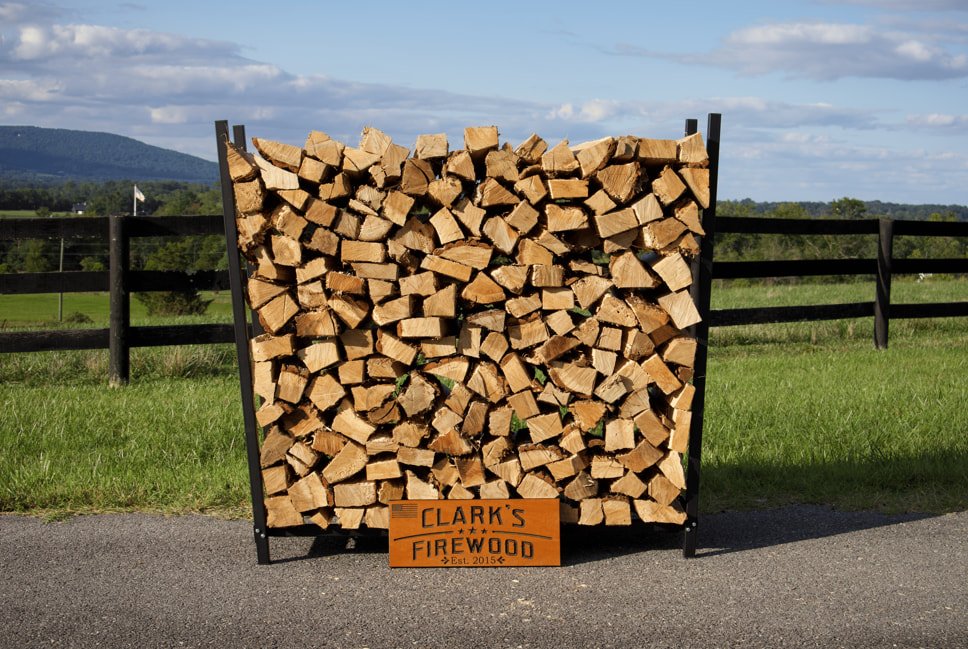
- One full rack measures 4 ft by 8 ft of 16-inch logs and equals one-third of a cord.
- A full cord is 4 ft by 4 ft by 8 ft, or 128 cubic feet of stacked wood.
If you run your stove most evenings through the cold months, plan on more than a casual fireplace user would. A regular weeknight burner often goes through a meaningful amount of wood across a season, while someone heating primarily with the stove will want to stock up well before winter. The good news with kiln-dried wood is that it is ready to burn the day it arrives, so you do not have to buy a year ahead and wait for it to dry.
Loading and air-control tips for a clean, long burn
The right wood gets you most of the way there. How you load and run the stove does the rest.
- Start with a hot fire. Use kindling and smaller splits to get the firebox and flue hot before you load big oak. A hot start means a clean burn.
- Load with airflow in mind. Leave small gaps between splits so air can move. A firebox crammed solid will smolder.
- Burn hot, then slow down. Let a new load flame strongly for 15 to 20 minutes, then reduce the air to settle into a long, efficient burn. Do not choke it cold.
- Use bigger, denser splits for overnight. Larger oak splits packed fairly tight, on a good coal bed, give you the longest burn.
- Use the coal bed. Rake hot coals toward the air inlet before adding wood. They will reignite a fresh load fast, even hours later.
- Watch your smoke. A clean fire shows little visible smoke from the chimney once it is up to temperature. Heavy smoke usually means the wood is too wet or the air is too far down.
If you want stove wood that is dense, consistent, and genuinely dry the day it shows up, I can help. Order kiln-dried oak or a hardwood blend, personally guaranteed, on my shop page, or call or text me directly at (571) 348-6009.
Frequently asked questions
What is the best firewood for a wood stove?
Oak is the best all-around choice for a wood stove because it is dense, burns hot, lasts a long time, and leaves an excellent coal bed for overnight burns. Hickory, hard maple, and ash are also outstanding stove woods. The most important factor across all of them is that the wood is genuinely dry, which is why I sell kiln-dried only.
Is oak or mixed hardwood better for my stove?
Oak is best for long overnight burns because its density holds heat for hours. A mixed hardwood blend lights faster and comes up to temperature quickly, which makes it ideal for daytime and shoulder-season fires. Many stove owners keep both: mixed hardwoods during the day and oak for the last load before bed.
How dry should firewood be for a wood stove?
You want low-moisture wood, on average under 12 percent. Dry wood lights faster, burns hotter and cleaner, keeps your stove glass clear, and dramatically reduces creosote buildup in your flue. Kiln-dried wood reaches and holds this dryness reliably, whereas air-dried wood can vary a lot.
Why does wet firewood cause problems in a stove?
Water in the wood has to boil off before the wood can release real heat, which lowers your stove temperature and produces smoke instead of clean flame. That smoke condenses into creosote on the cooler walls of your flue, the flammable deposit behind chimney fires. Dry wood burns hot and clean, so you get more heat and a safer chimney.
How do I get a long overnight burn in my wood stove?
Use dense oak, larger splits, and a good coal bed. Let a fresh load flame strongly for 15 to 20 minutes, then reduce the air to settle into a slow burn. Rake hot coals toward the air inlet before loading so the new wood reignites. Packed oak on hot coals can hold heat through the night.
What size should firewood be for a wood stove?
Consistent 16-inch splits fit the vast majority of stove fireboxes and stack cleanly, which is the length I cut everything to. Splits that are too large choke airflow and smolder, while pieces that are too small burn out too fast. Consistent sizing makes it much easier to dial in a slow, even burn.
How much firewood will I burn in a season?
It depends on your stove, your insulation, and how cold it gets, but a 2 ft by 4 ft stack of my kiln-dried wood lights roughly 20 fires, and you can scale up from there. Regular evening burners go through a meaningful amount across a winter. Because kiln-dried wood is ready to burn on delivery, you can restock as you go rather than buying a year ahead.
Clark started splitting and selling firewood on his family farm in Upperville, Virginia at age 11. Today Clark's Firewood delivers premium kiln-dried hardwood to homes across Virginia, Washington DC, Maryland, and North Carolina, and Clark personally guarantees every order.